Nearly 400 churches were destroyed in Kandhamal massacre in 2008


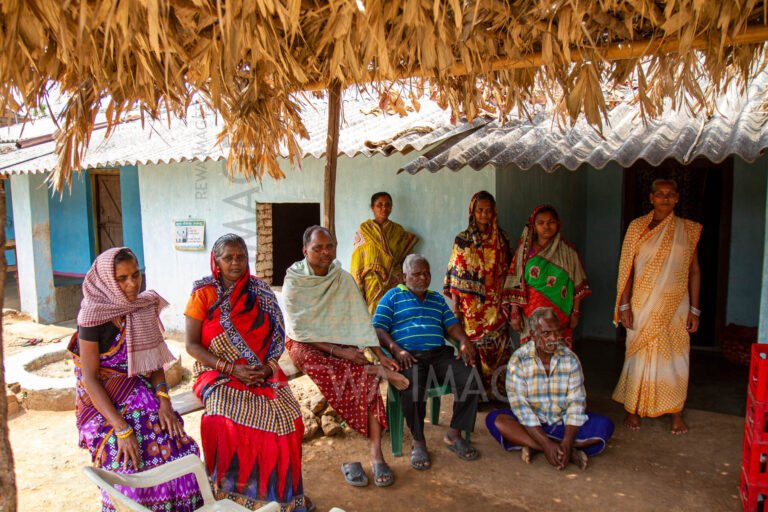
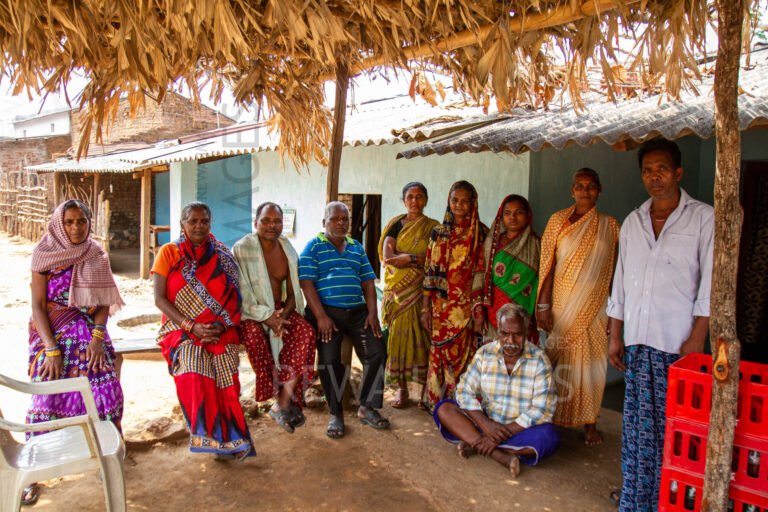
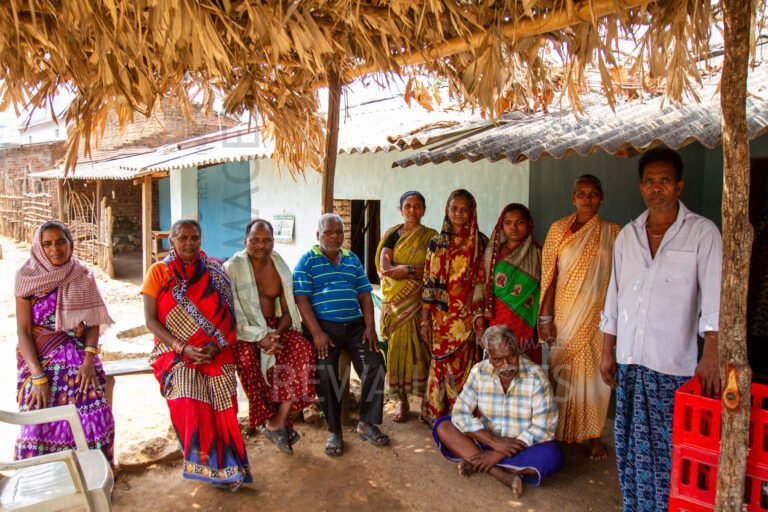
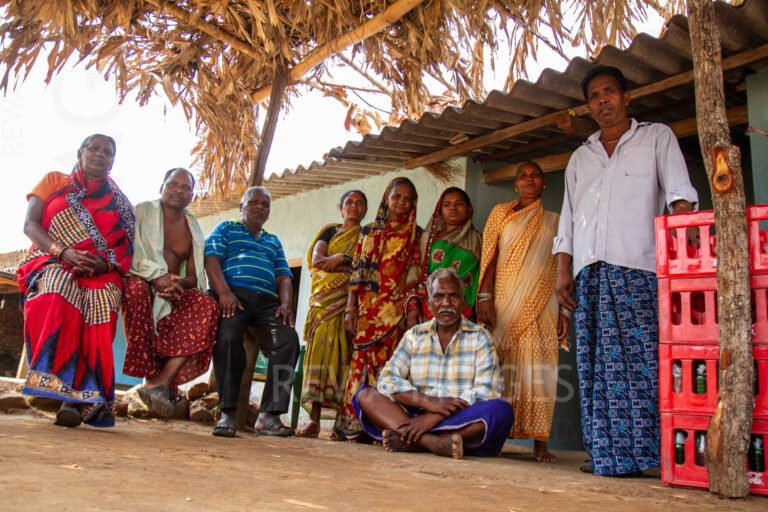
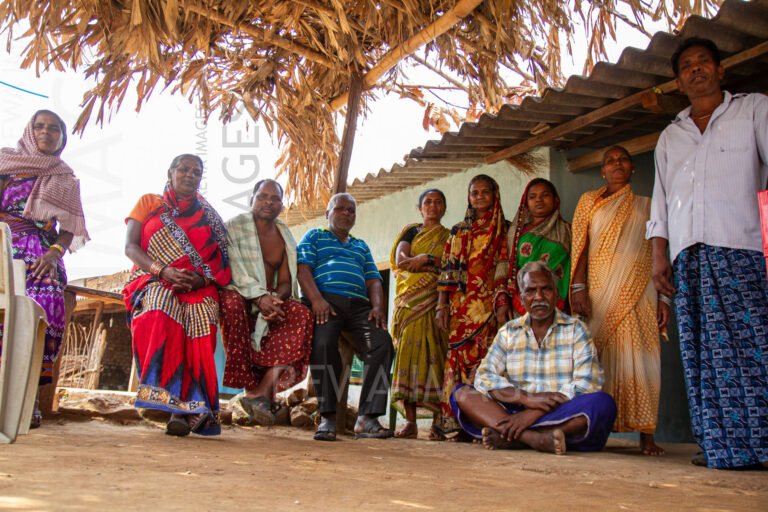
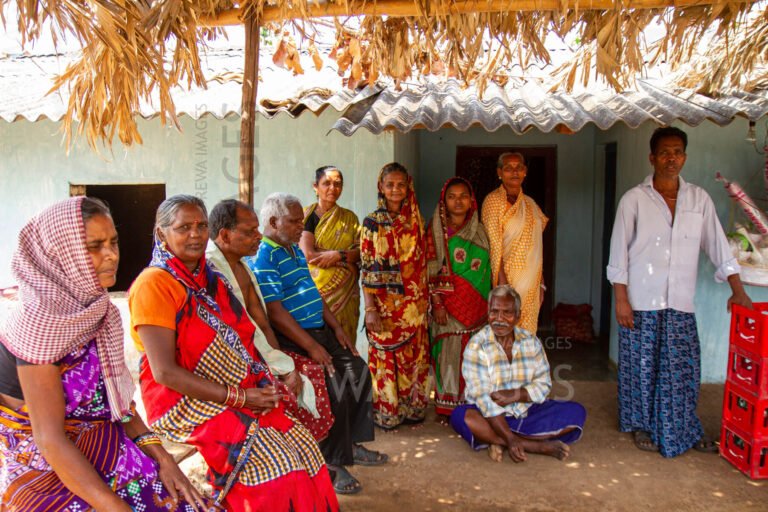
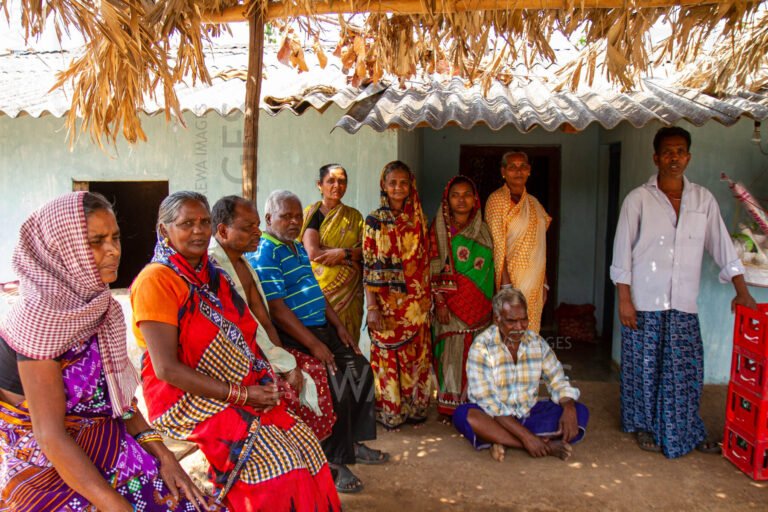
In 2008, sections of Hindutva forces used open terror to coerce Christians in Kandhamal into forced conversion, threatening death with axes placed at their necks. These survivors represent only a fraction of those subjected to such violence. Rituals were staged under duress, not faith. Today, many have returned to their churches, exposing the futility of coercion. These lived experiences stand as political testimony that belief cannot be manufactured through fear. Faith is an inner conviction, not a submission extracted by weapons. History records such acts not as triumphs, but as moral and ideological failures.
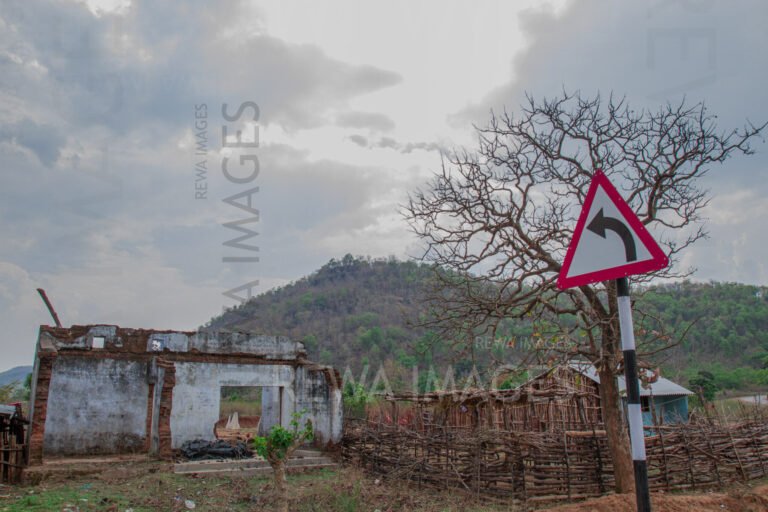
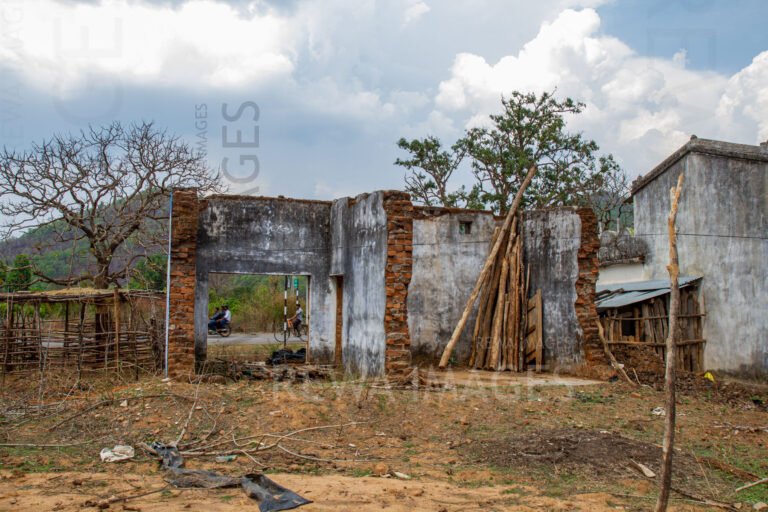
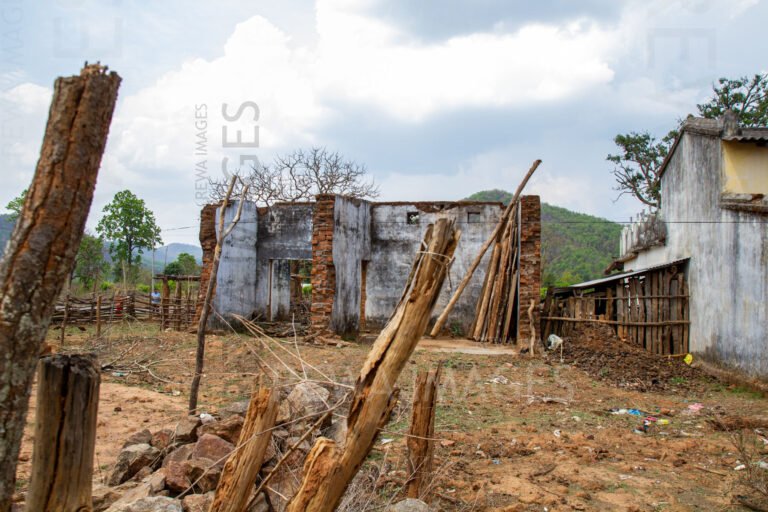
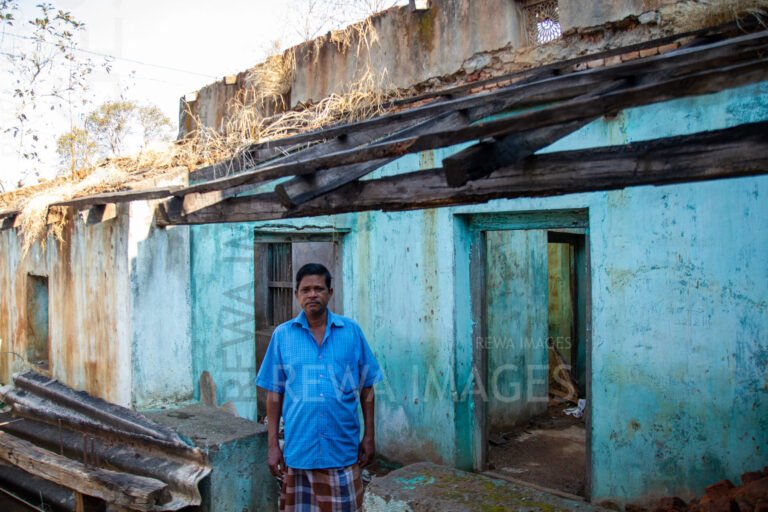
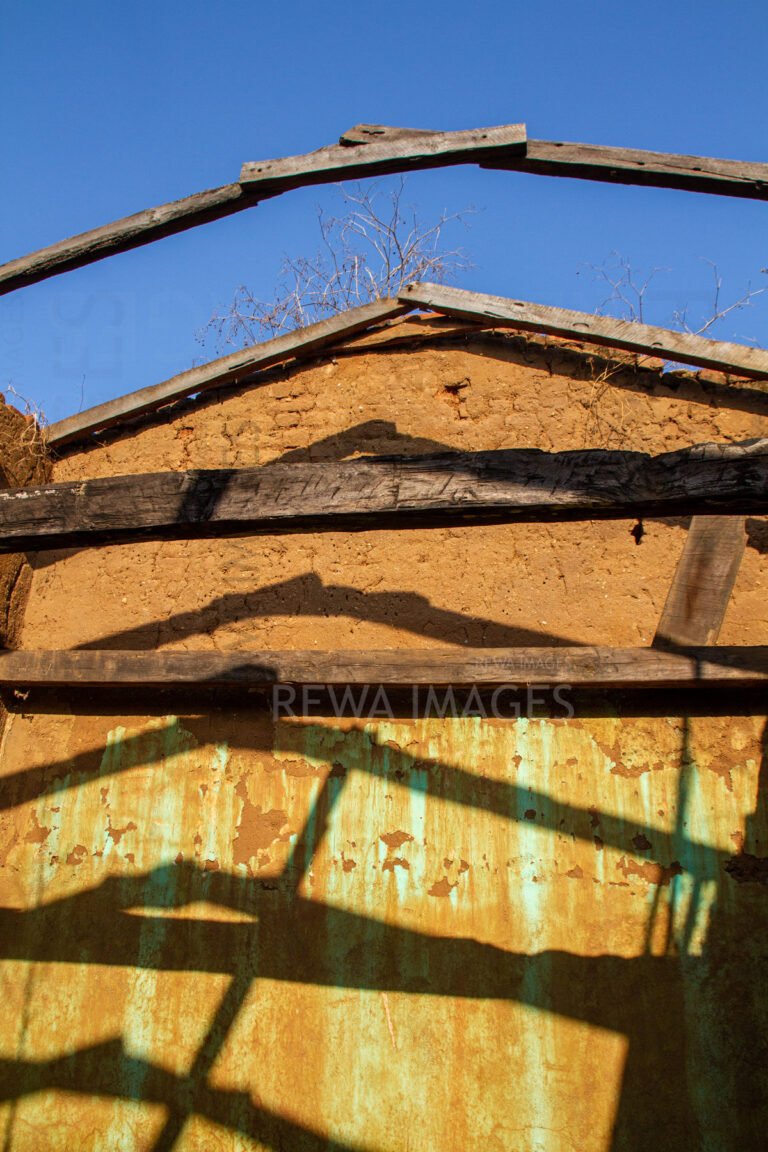
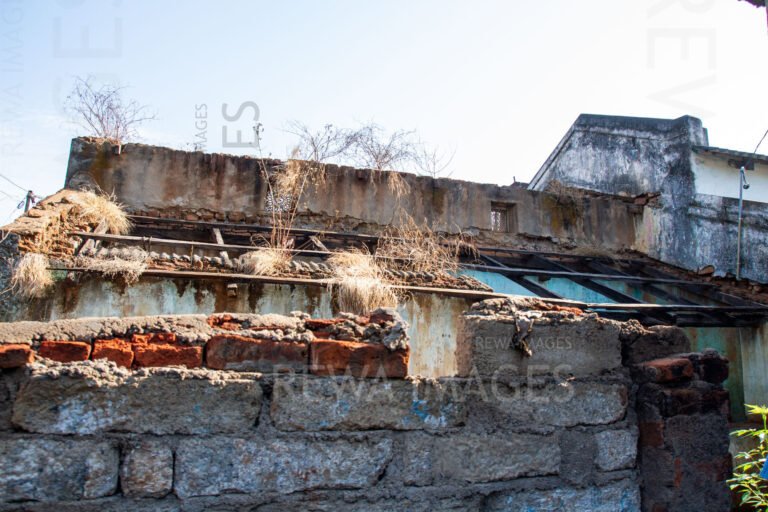
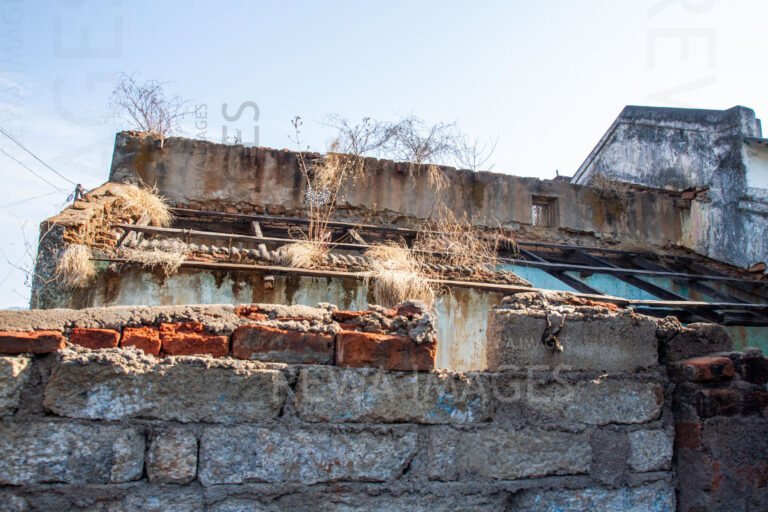
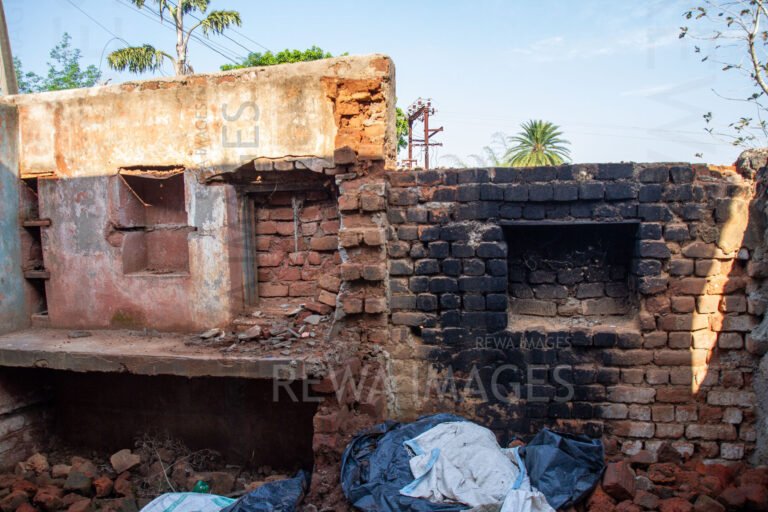
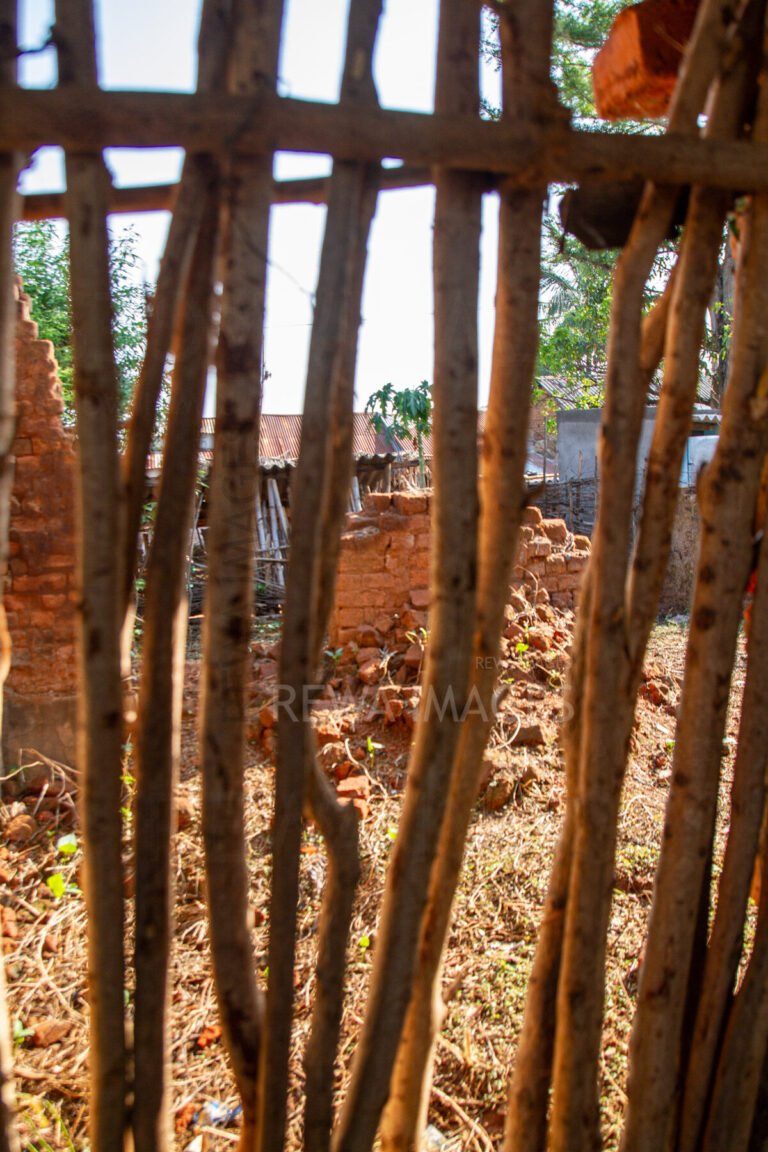
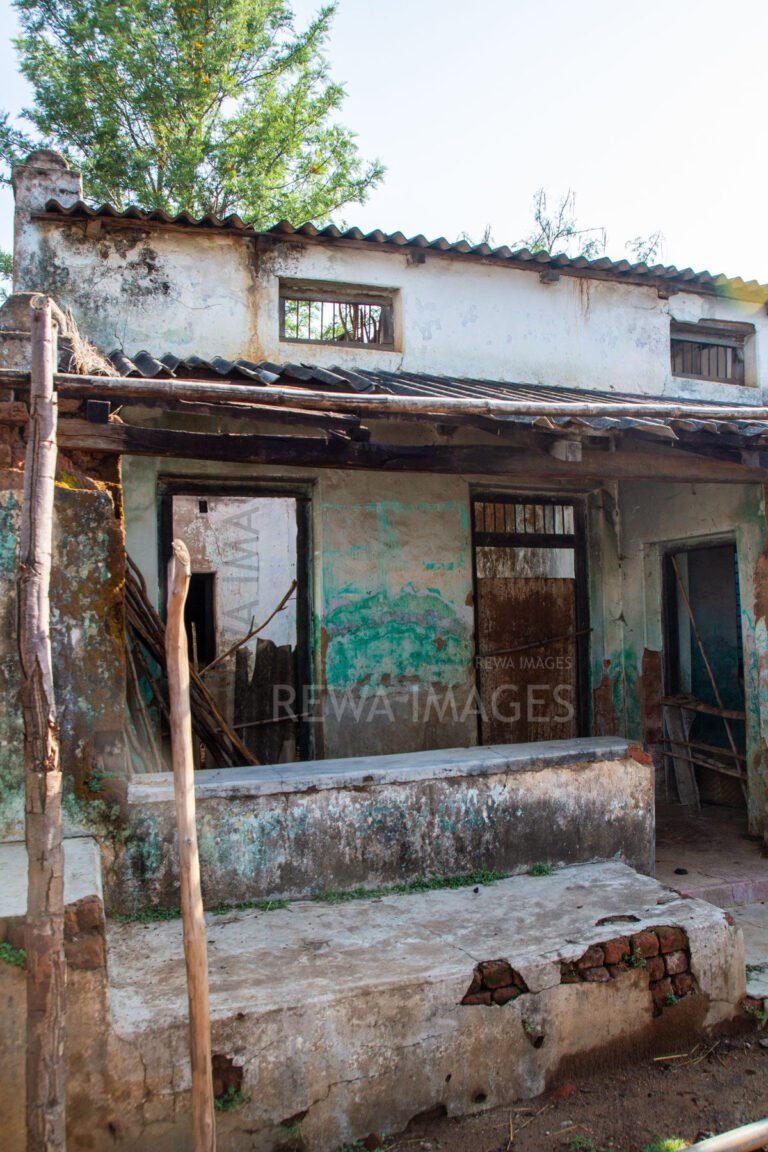
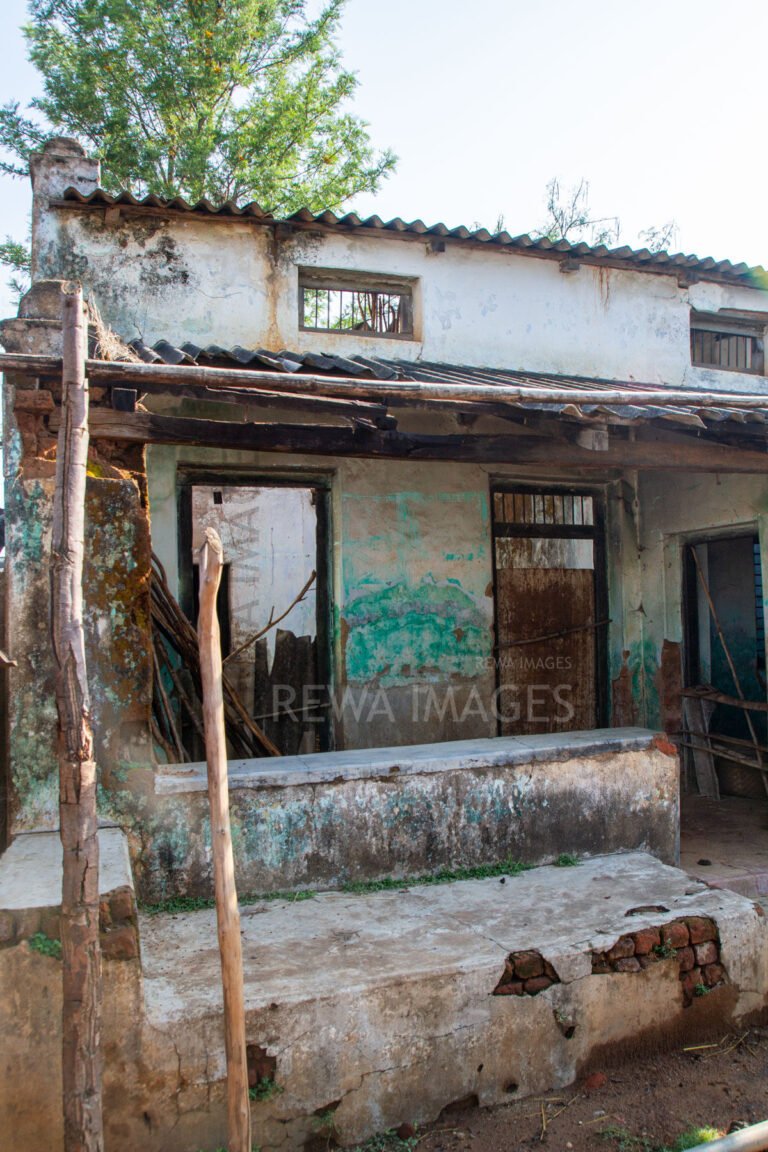
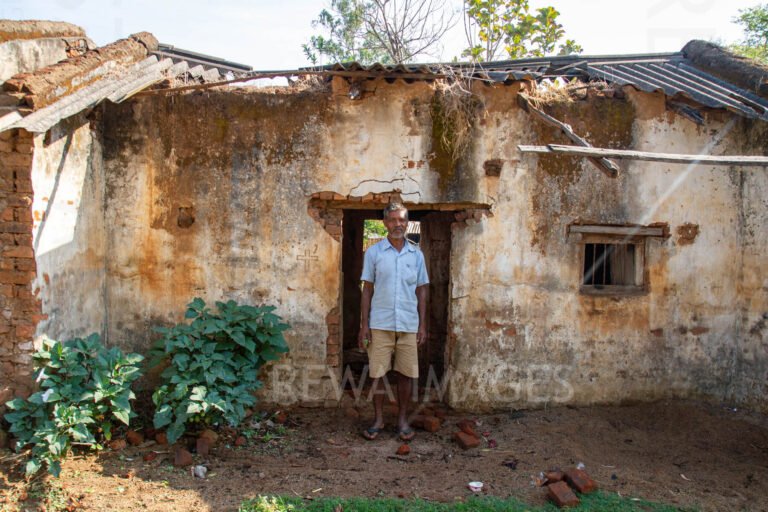
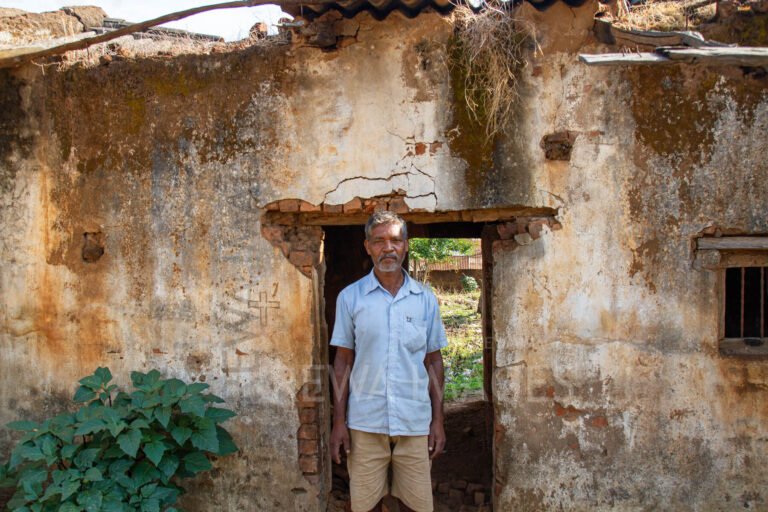
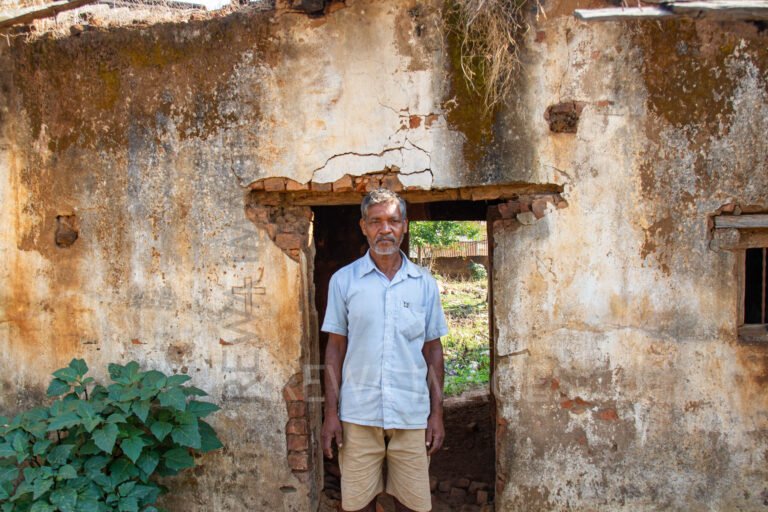
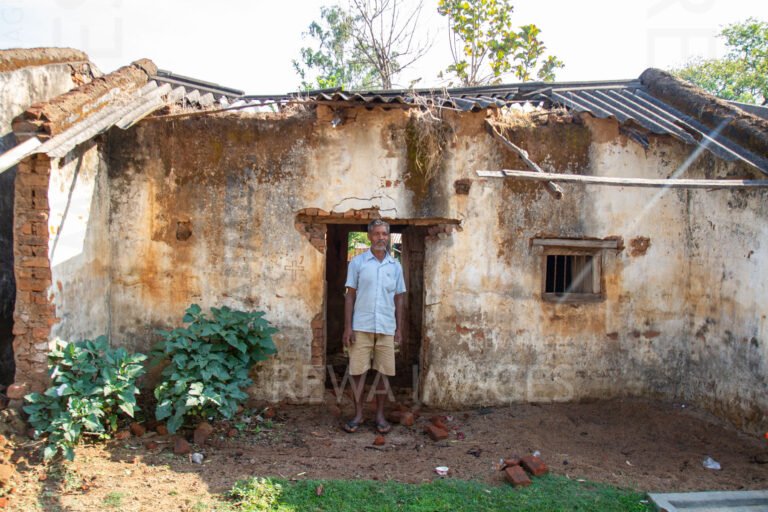
During the 2008 anti-Christian violence in Kandhamal, thousands of houses and shops belonging to Christian families were systematically looted, burnt, and destroyed. Entire villages were reduced to ashes, wiping out homes, small businesses, food stocks, livestock, documents, and lifetime savings. The destruction was not random but targeted, aimed at economic ruin and forced displacement. Many survivors received inadequate or no compensation, leaving families trapped in long-term poverty and insecurity. Beyond physical loss, the attacks shattered livelihoods, dignity, and social stability. The ruins of homes and shops remain enduring symbols of injustice, state failure, and the urgent need for accountability and reparative justice.
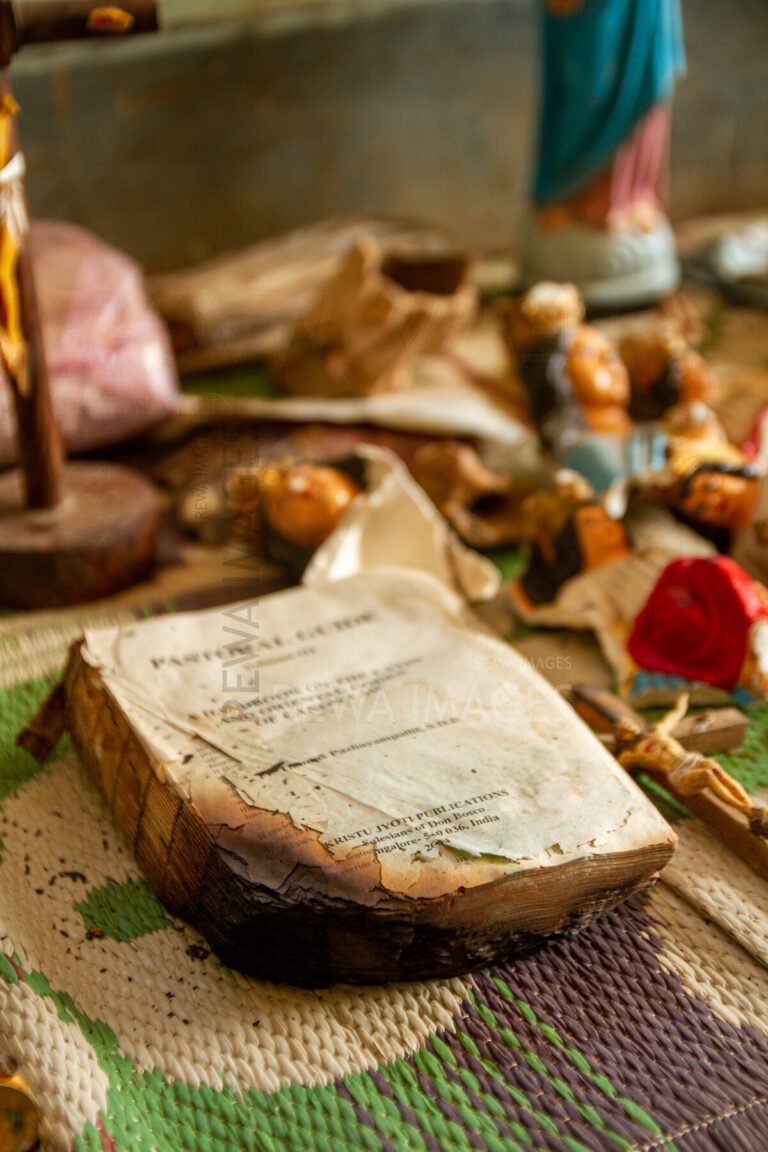
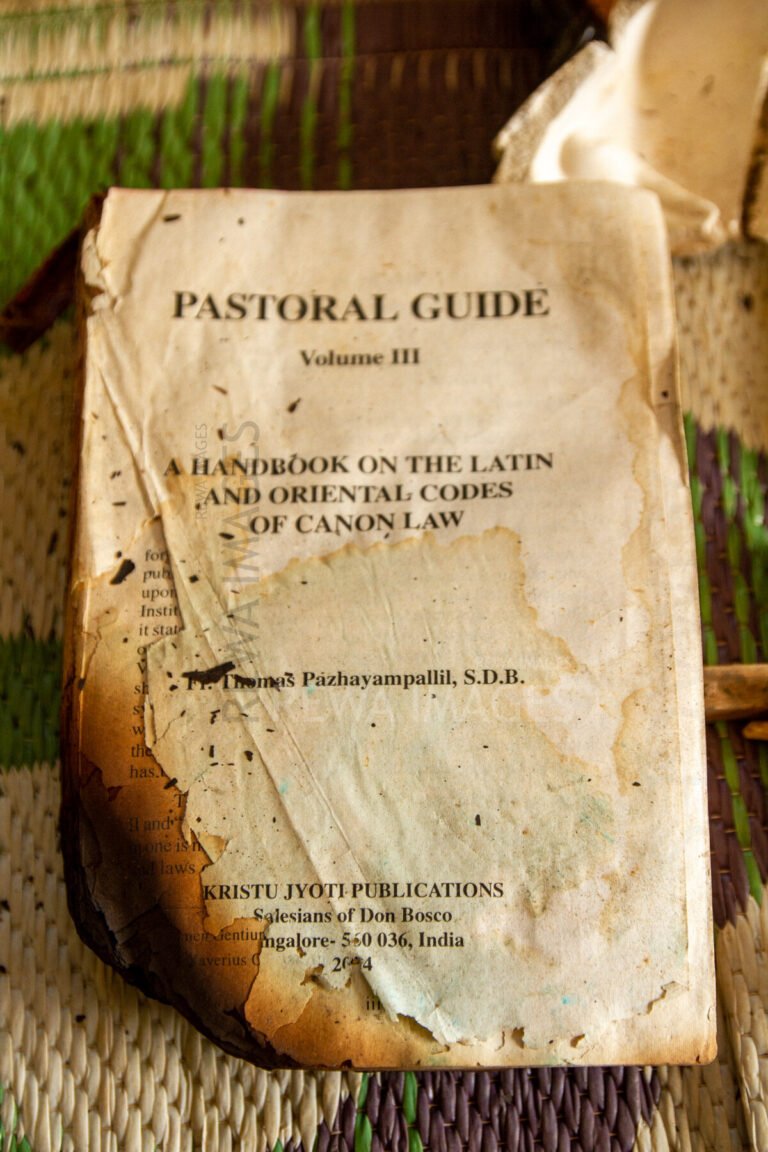
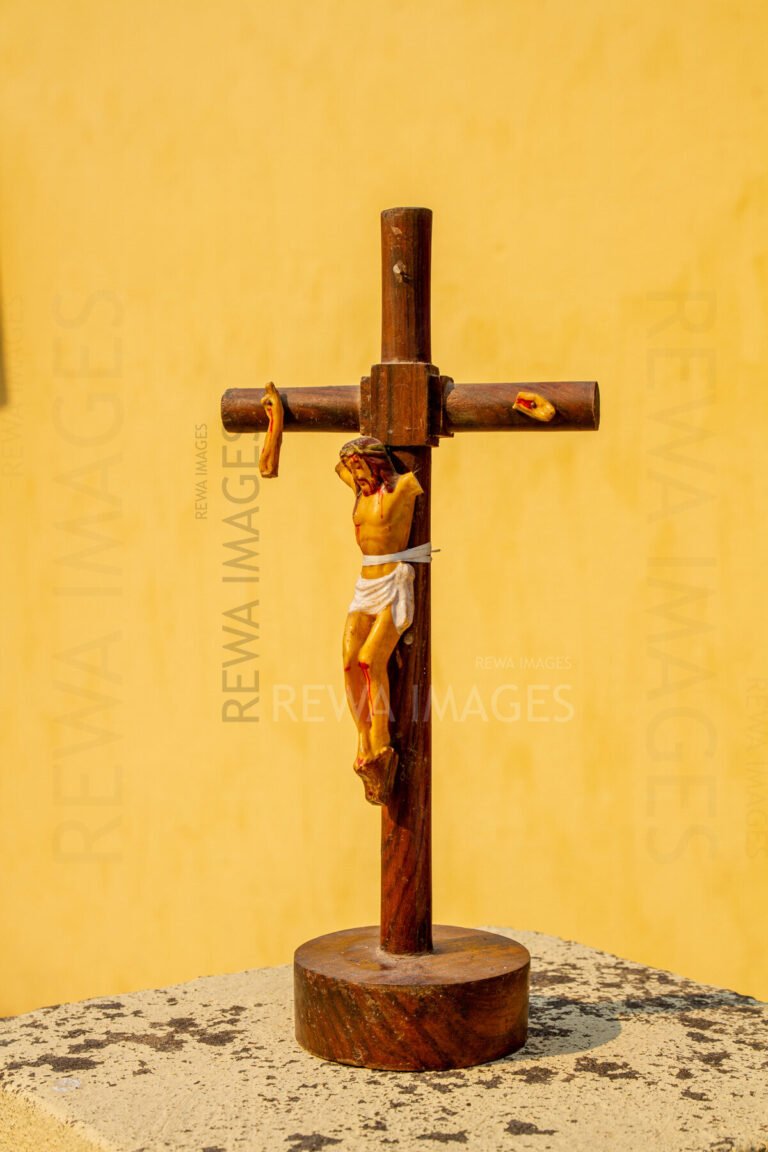
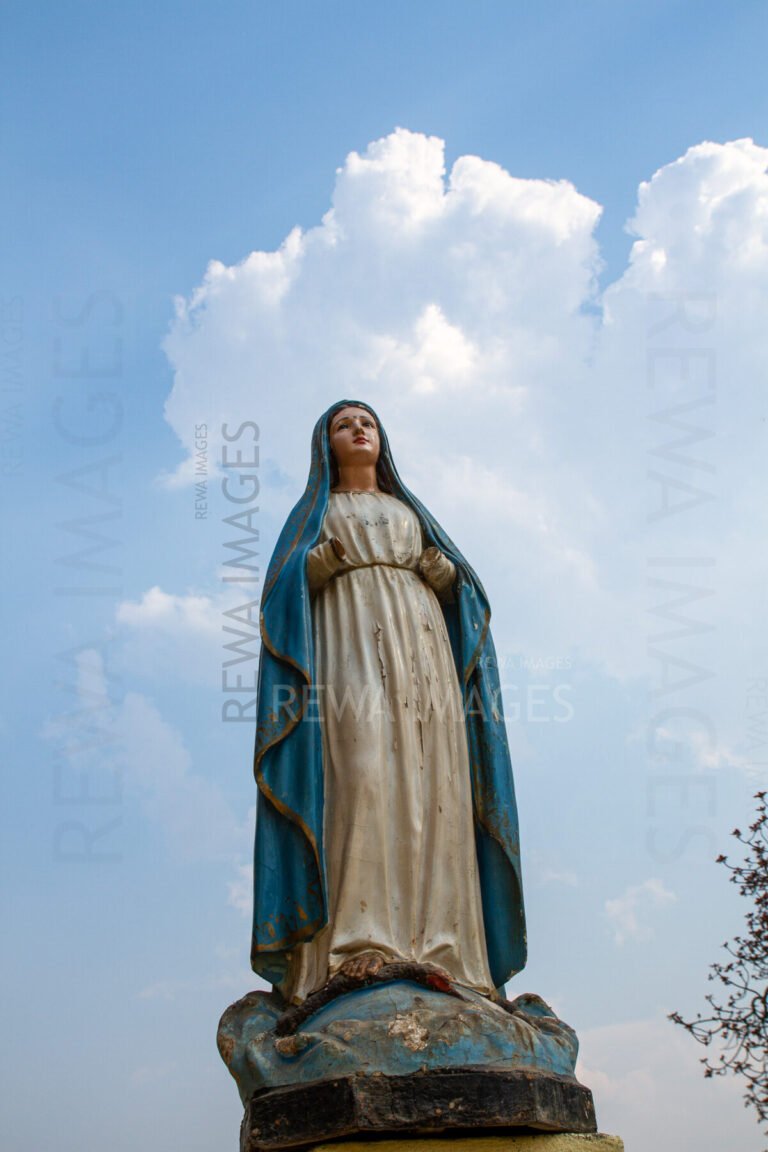
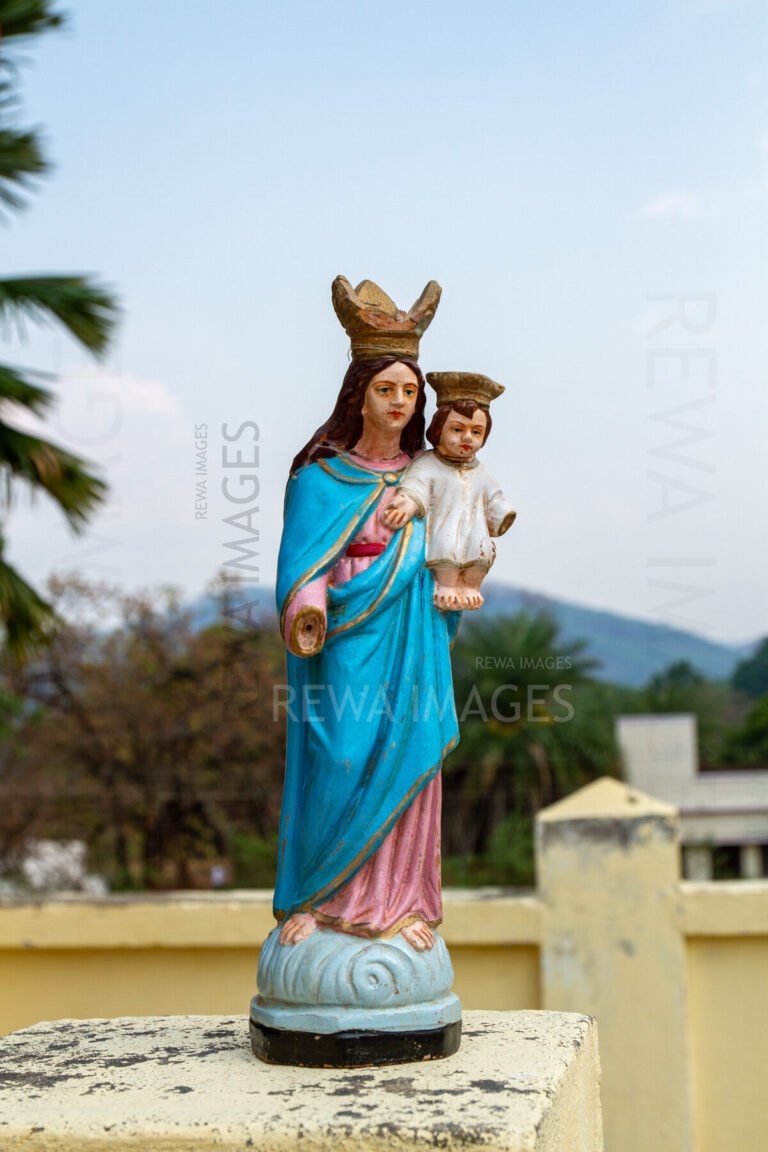
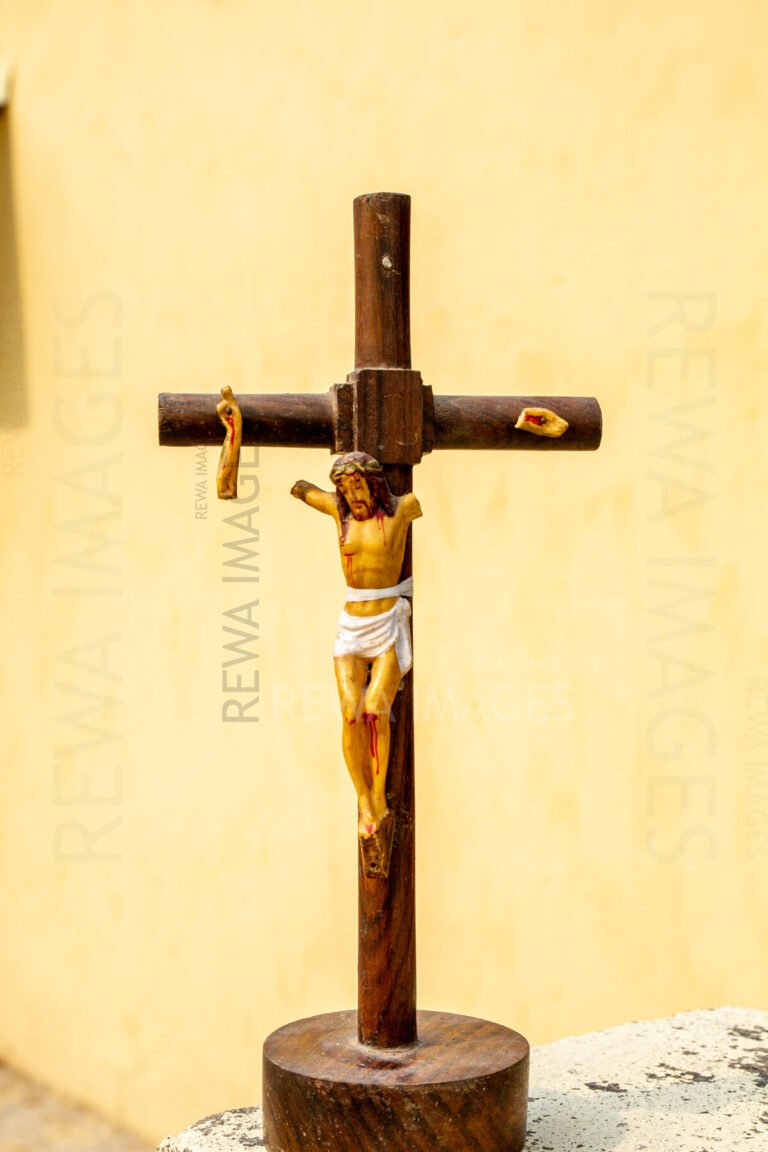
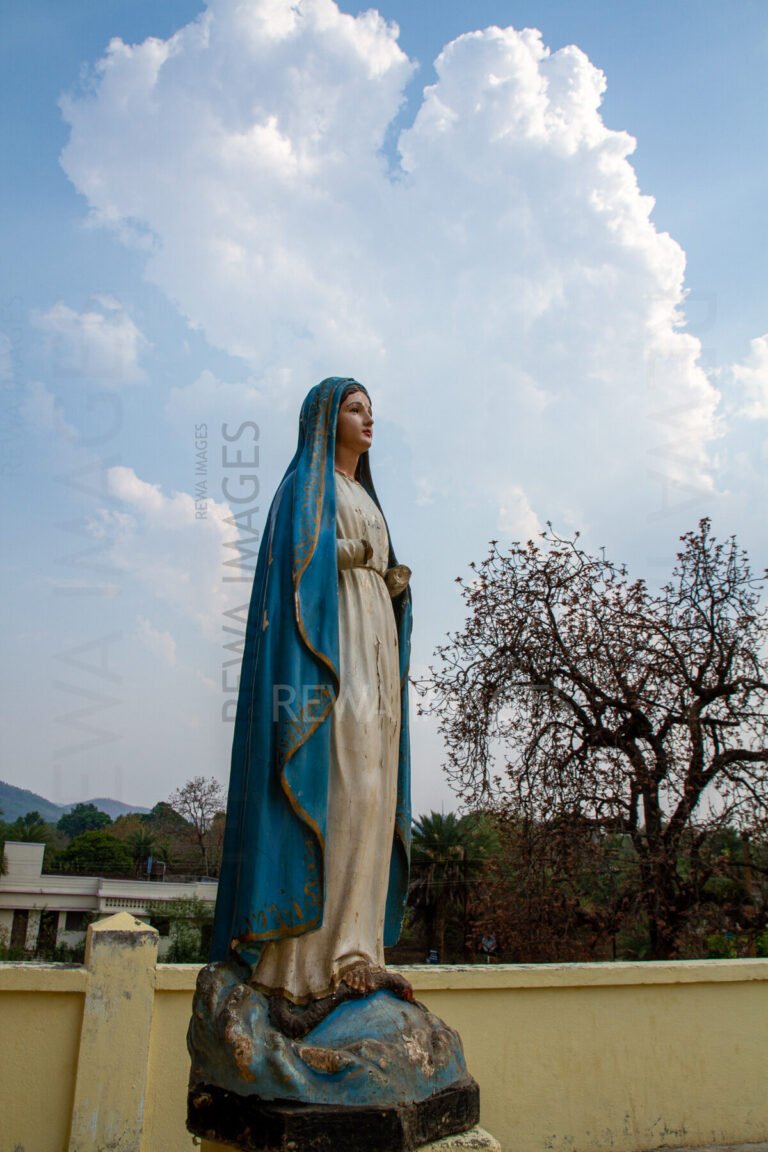
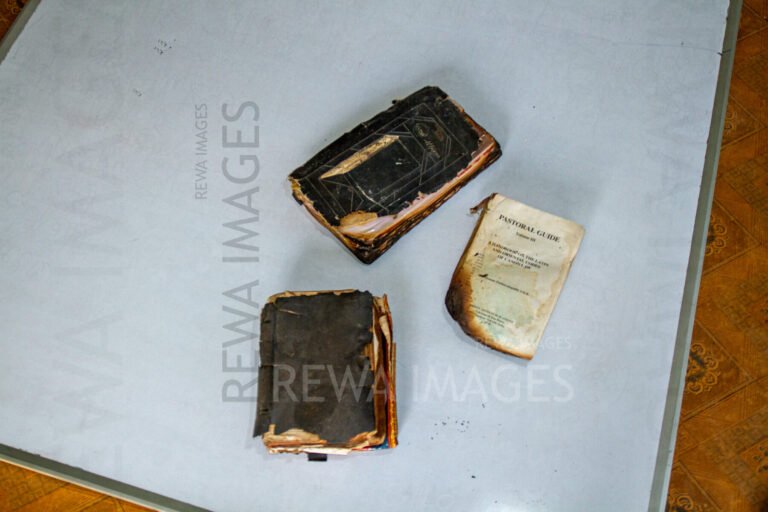
Books central to Christianity, including the Holy Bible—texts rooted in love and compassion—were deliberately burnt, exposing the irrationality of hate-driven politics. This hostility traces back to 1967, when Odisha enacted an anti-conversion law and organized campaigns against Christians intensified. The destruction disproportionately targeted images of Mother Mary, reflecting a deeply patriarchal violence mirrored in the sexual abuse of women. Jesus Christ, a historical figure who stood with the oppressed, was symbolically attacked again through broken icons. Yet these assaults failed to weaken faith. Instead, they revealed the moral bankruptcy of coercive ideology and strengthened community resolve against manufactured hatred.
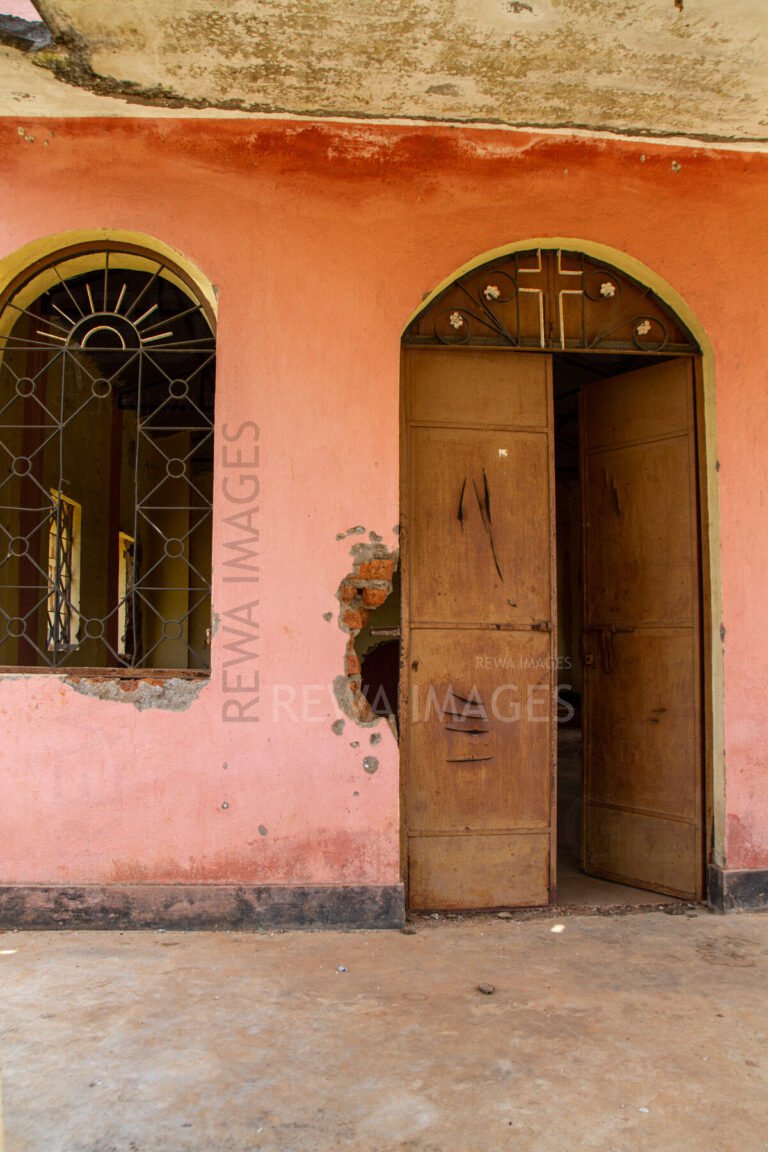
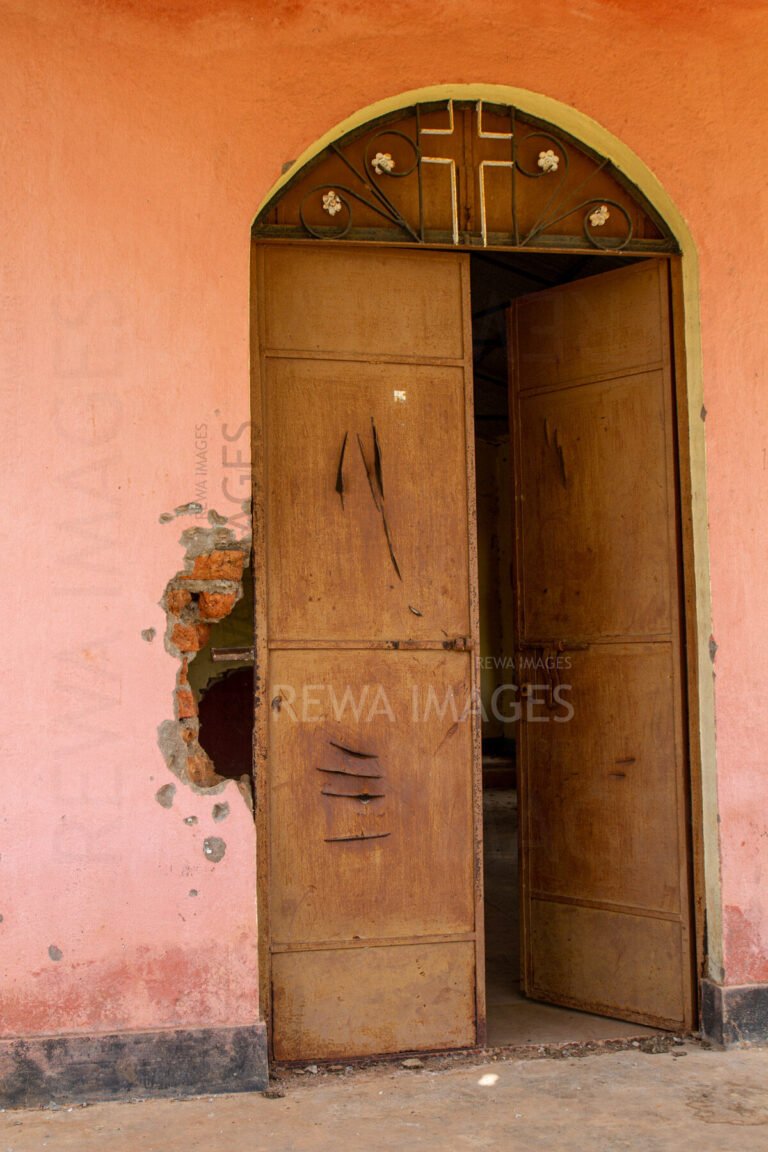
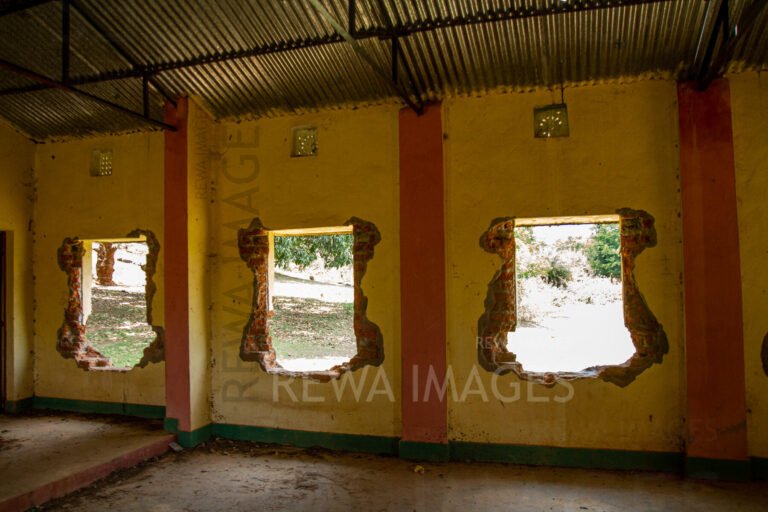
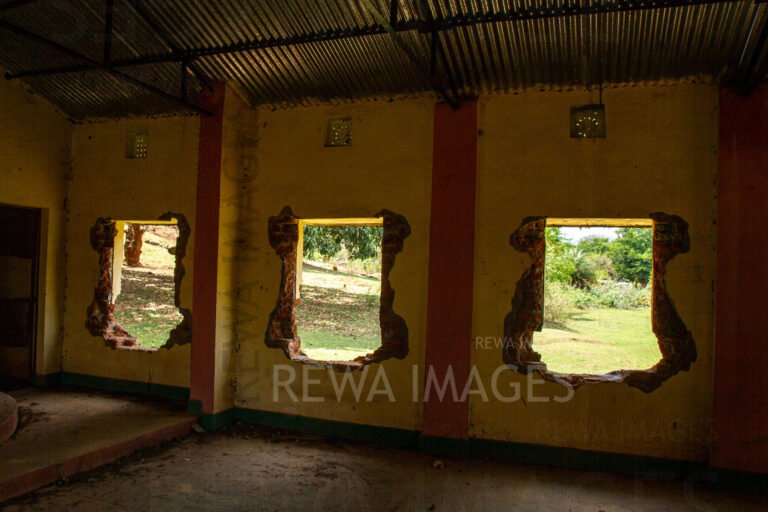
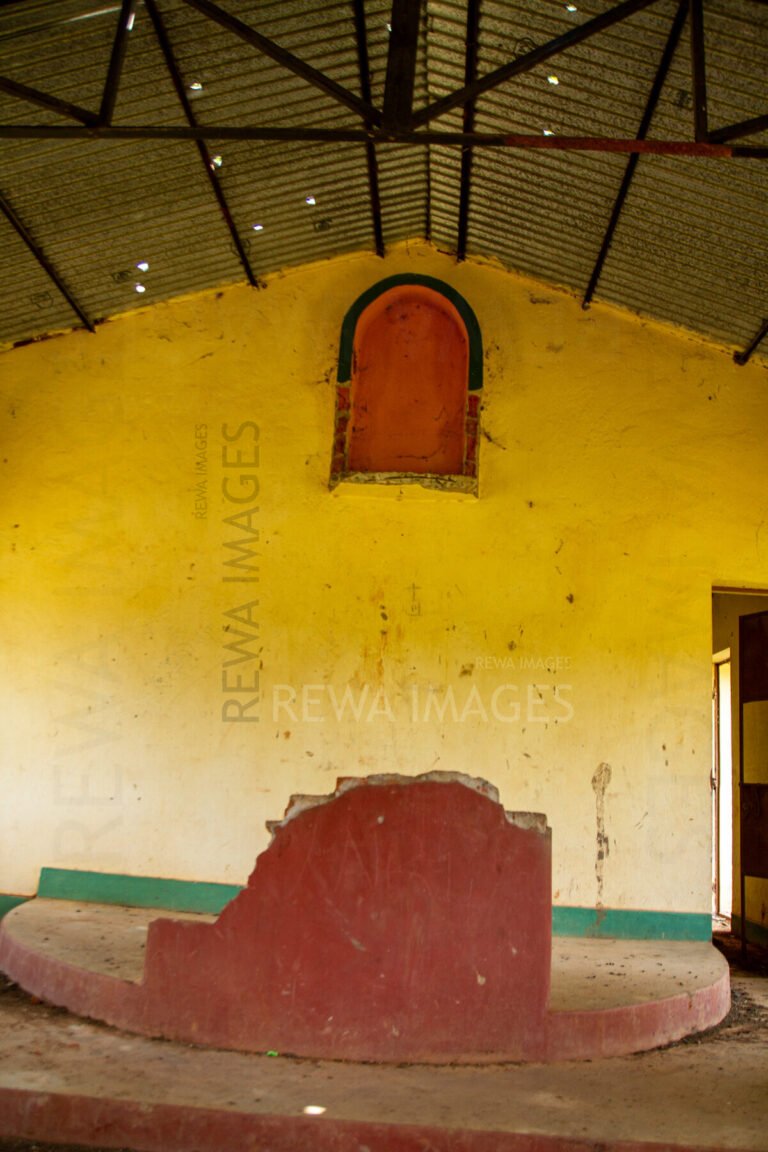
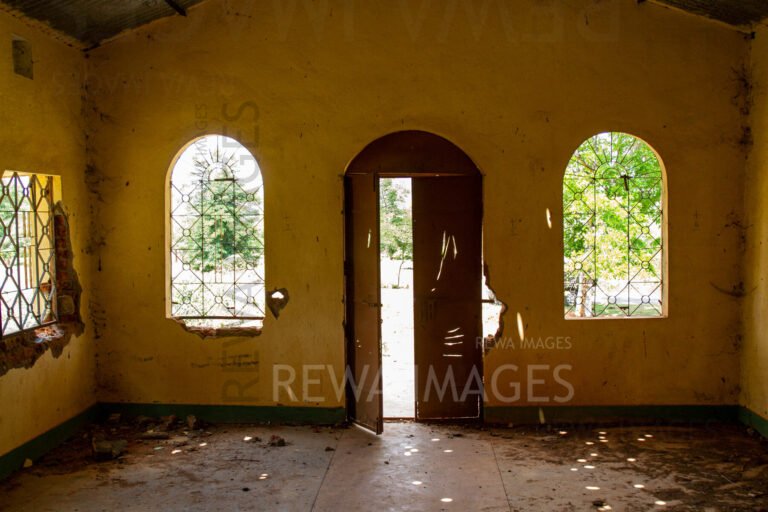
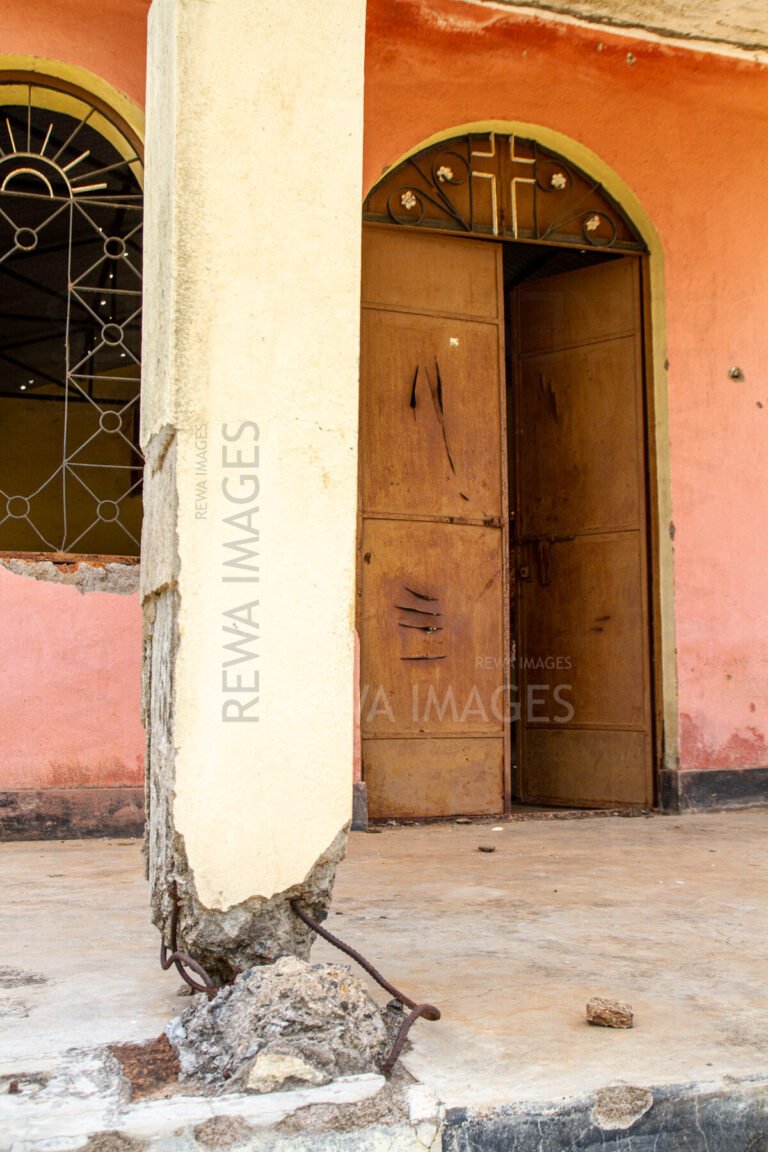
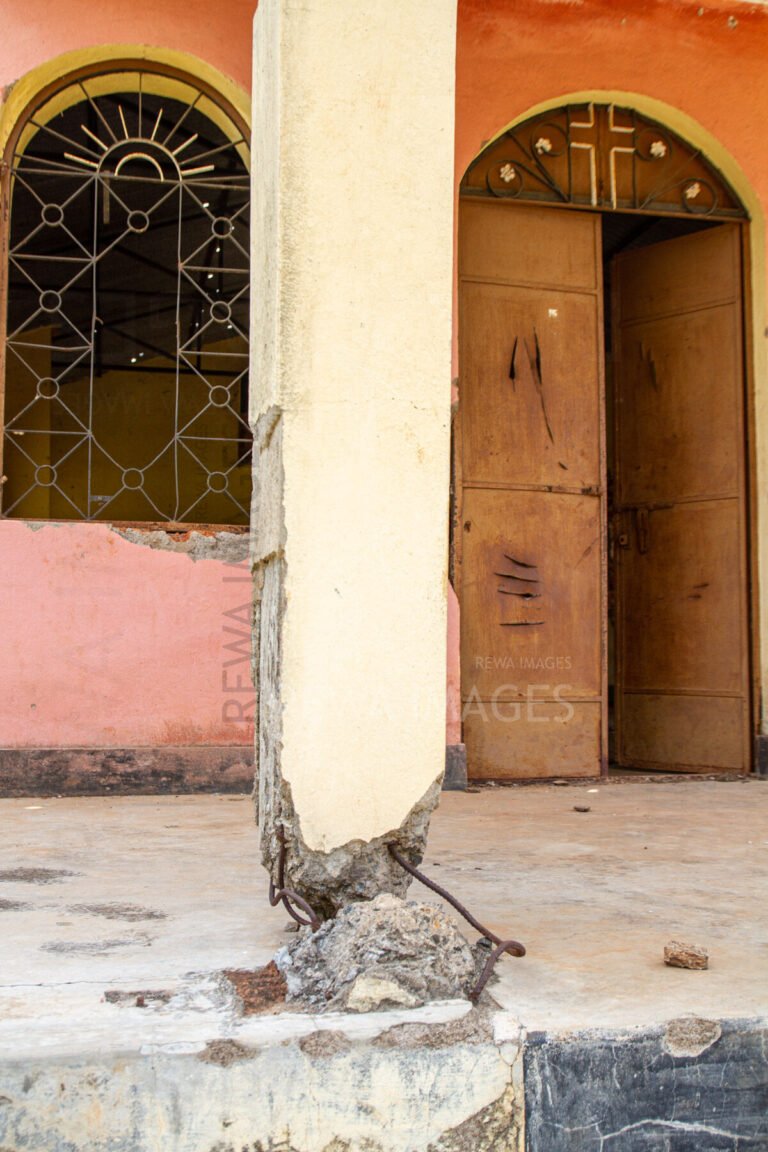
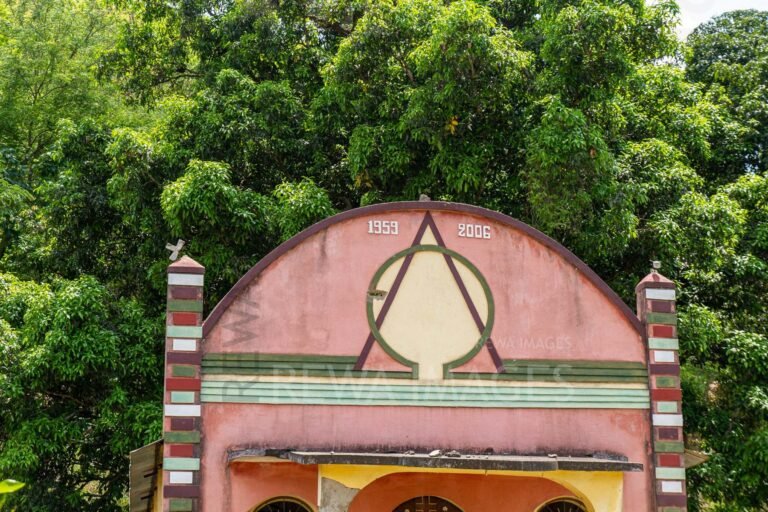
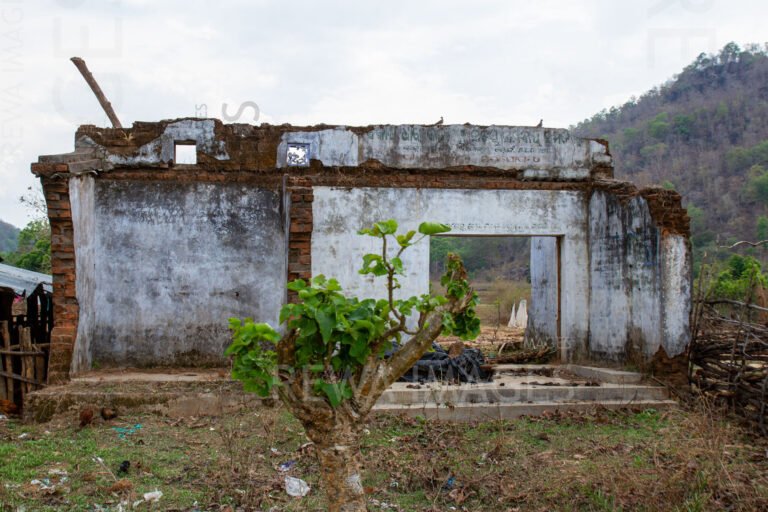
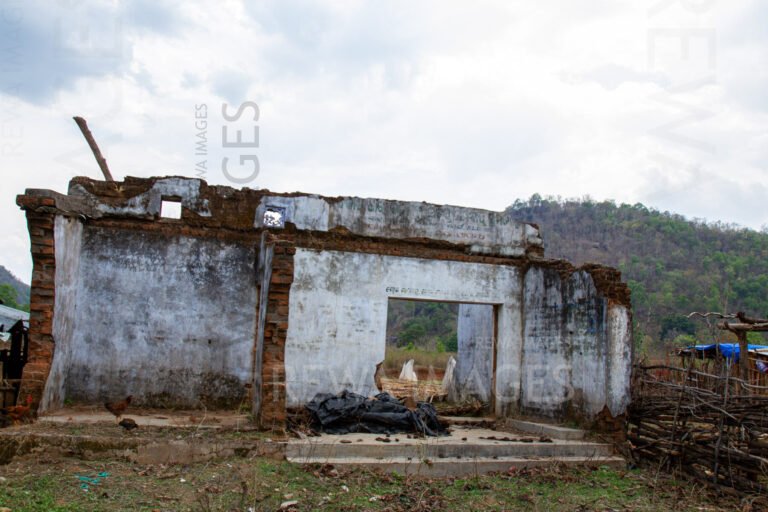
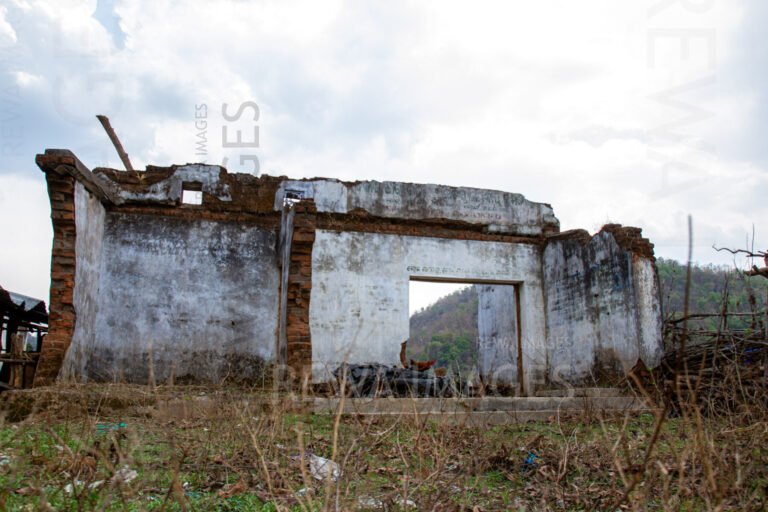
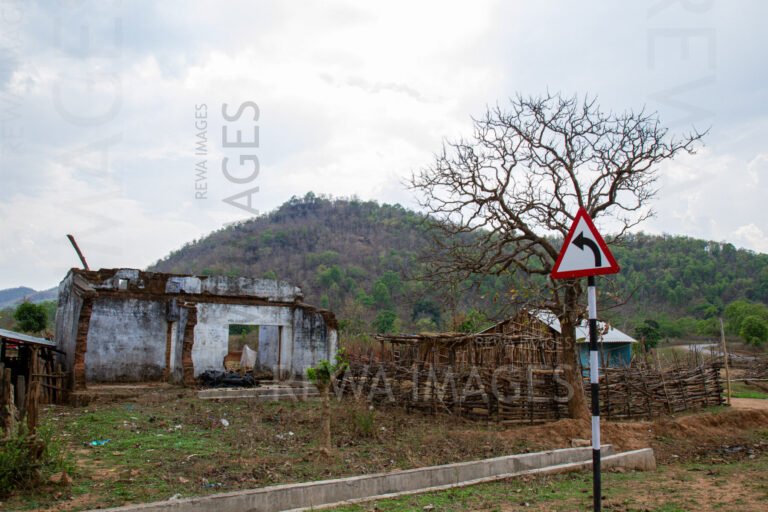
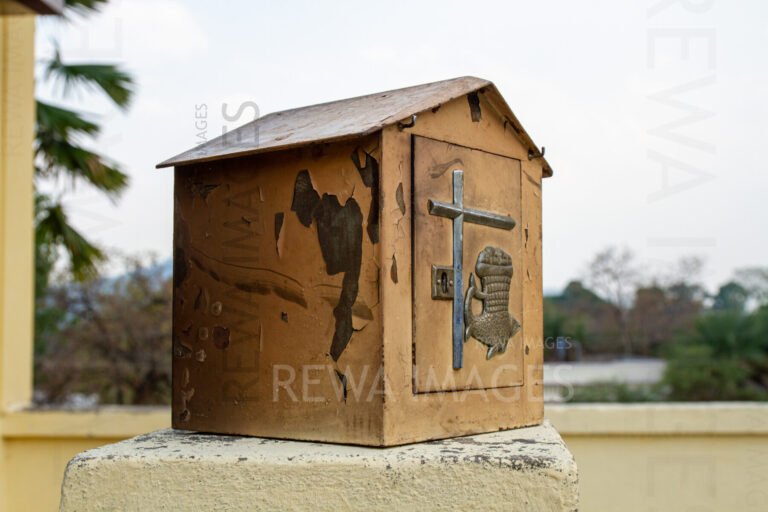
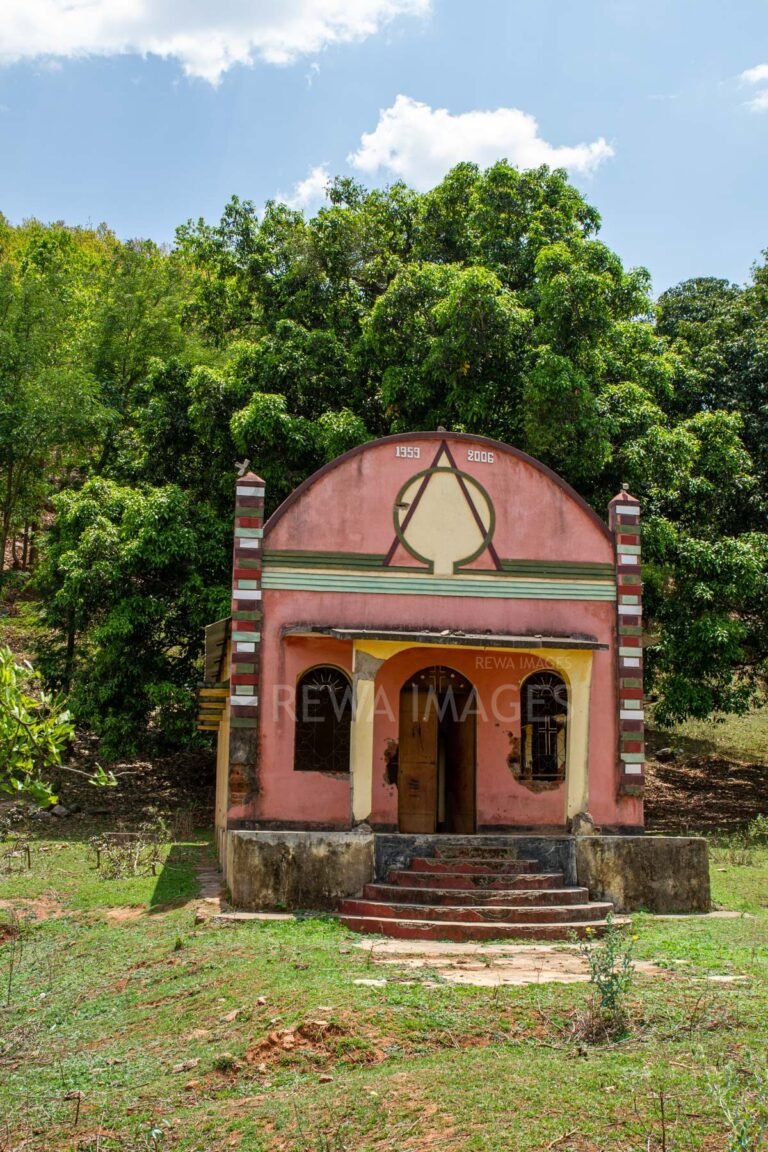
After the 2008 Kandhamal violence, over 393 churches and worship places were destroyed, including a Catholic church in Katimaha village that remains unreconstructed and was reduced to a cattle shed. Religious symbols were desecrated, property looted, and livelihoods erased, alongside the burning of 6,500 homes. The violence targeted faith, women, and dignity, yet failed to break community resilience. Despite inadequate compensation and deep losses, survivors organized peaceful struggles through collective platforms, asserting moral strength over retaliation. Their resistance affirms that faith and justice cannot be destroyed by force, and exposes the long political history of anti-Christian hatred in the region.