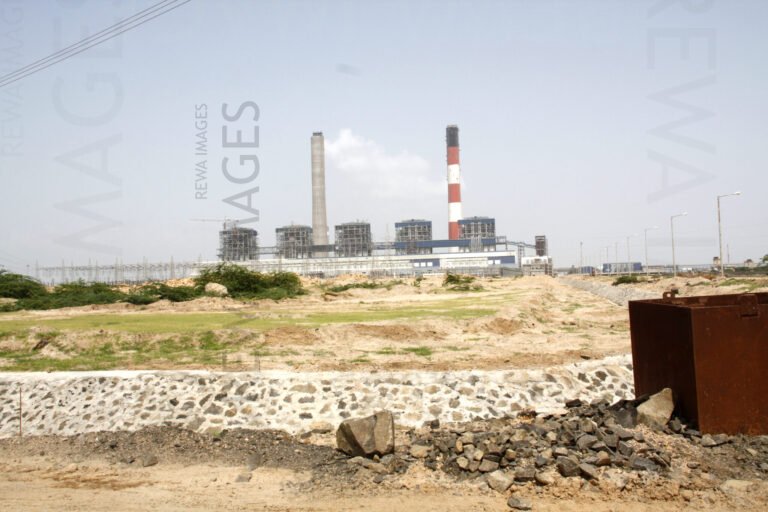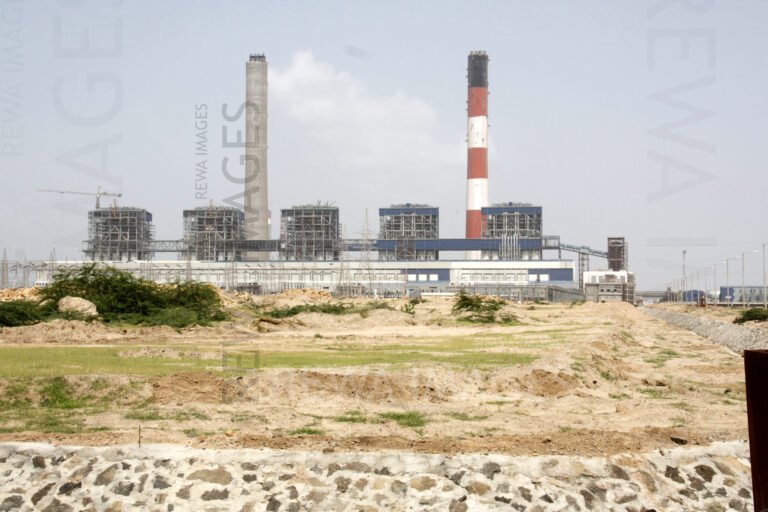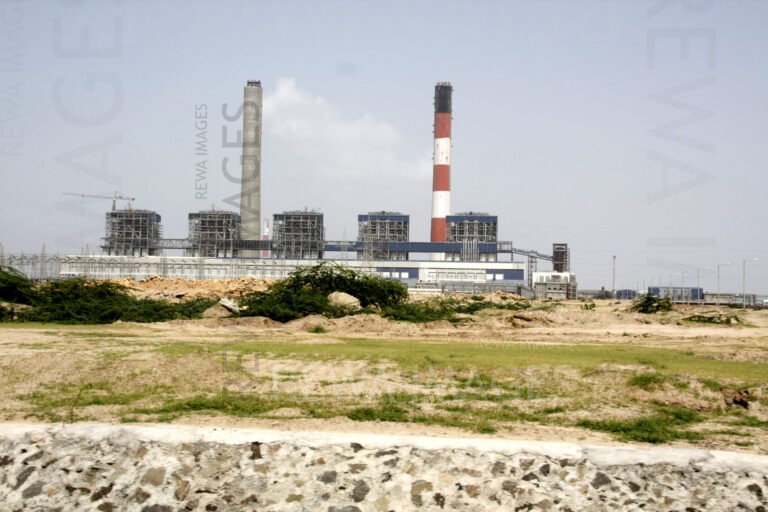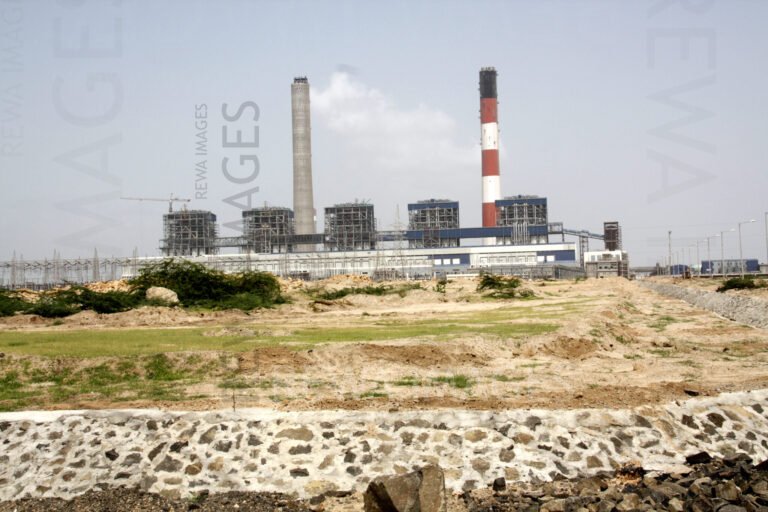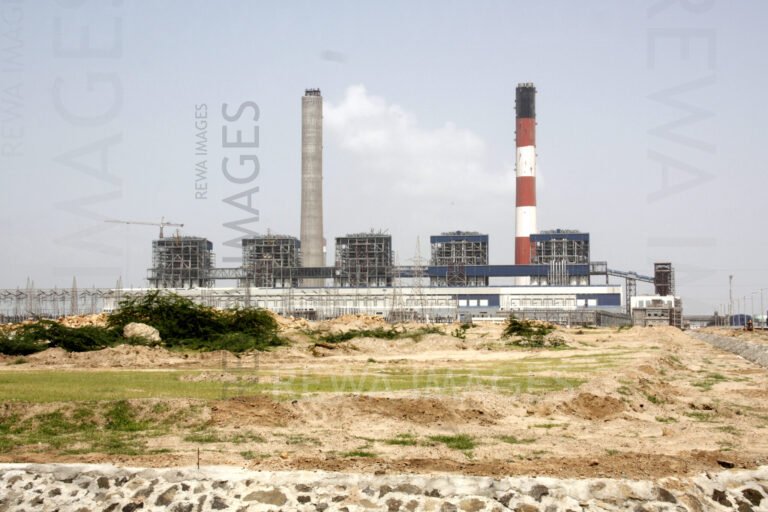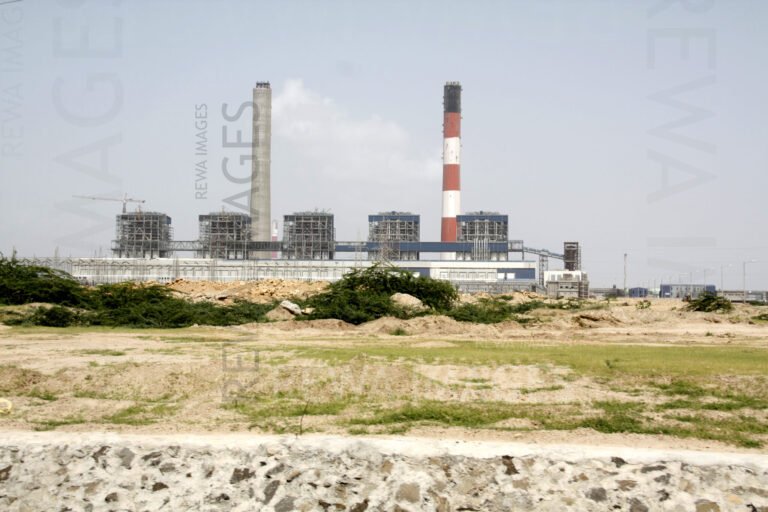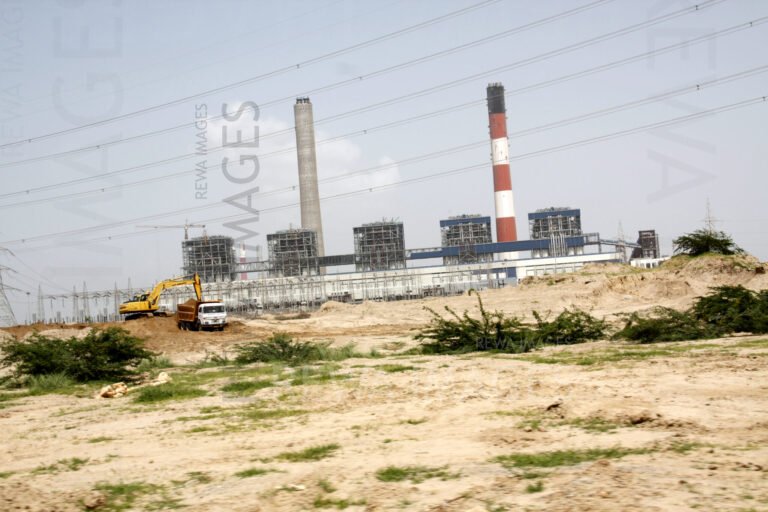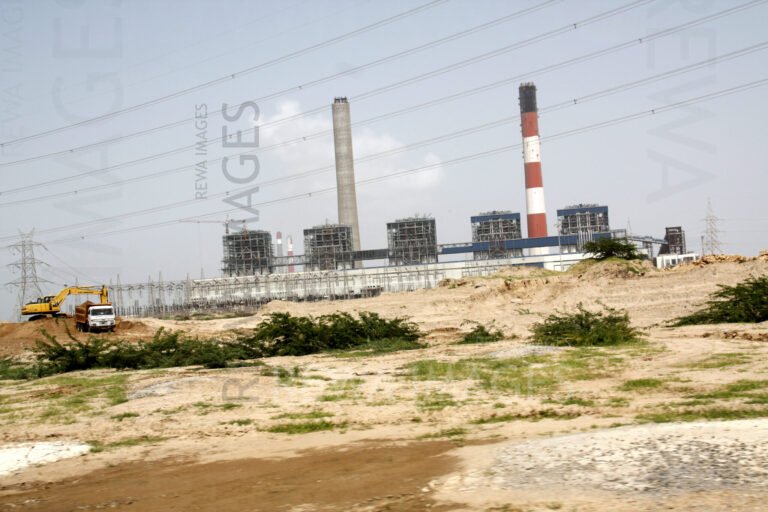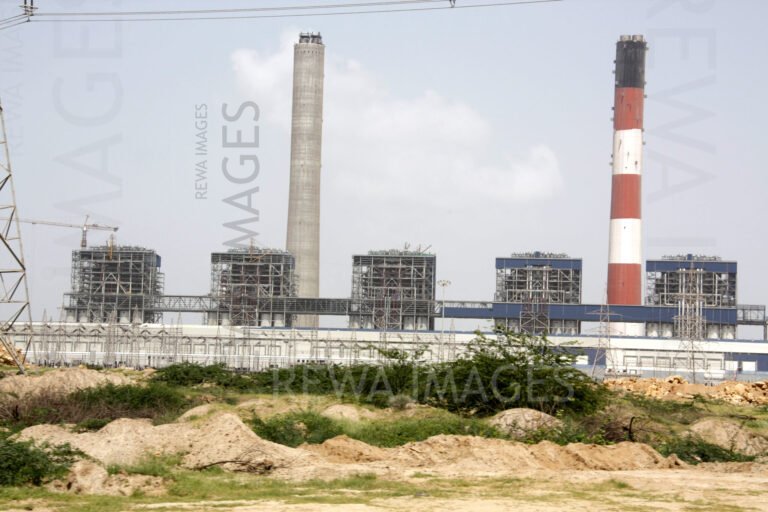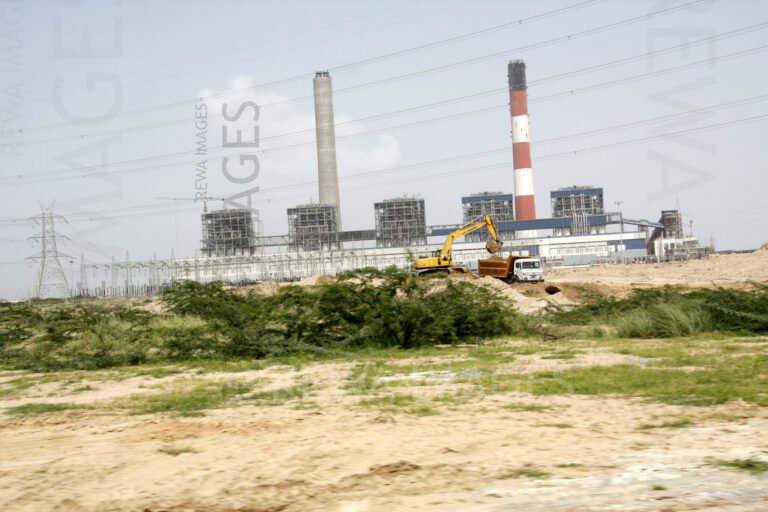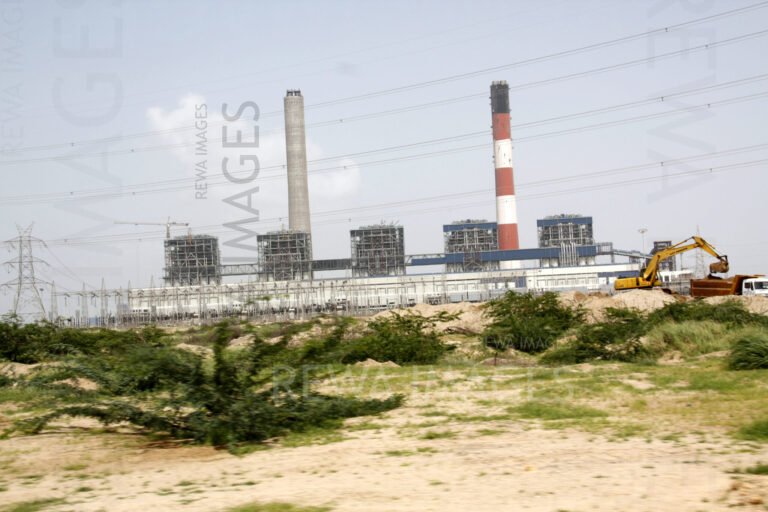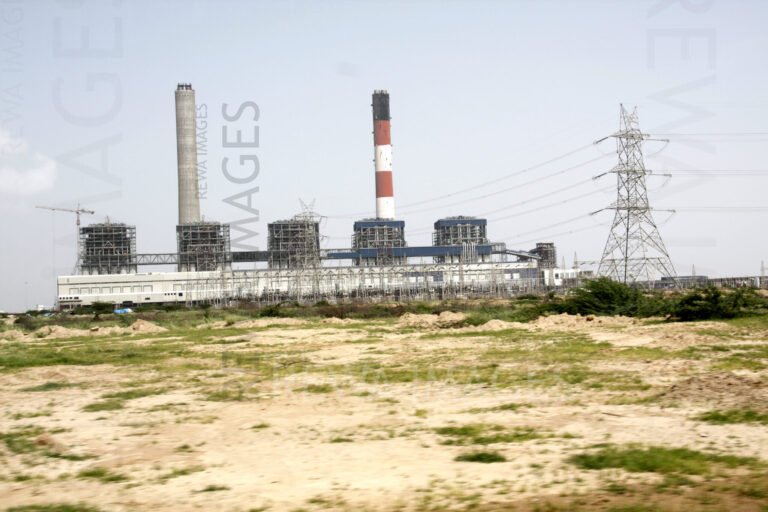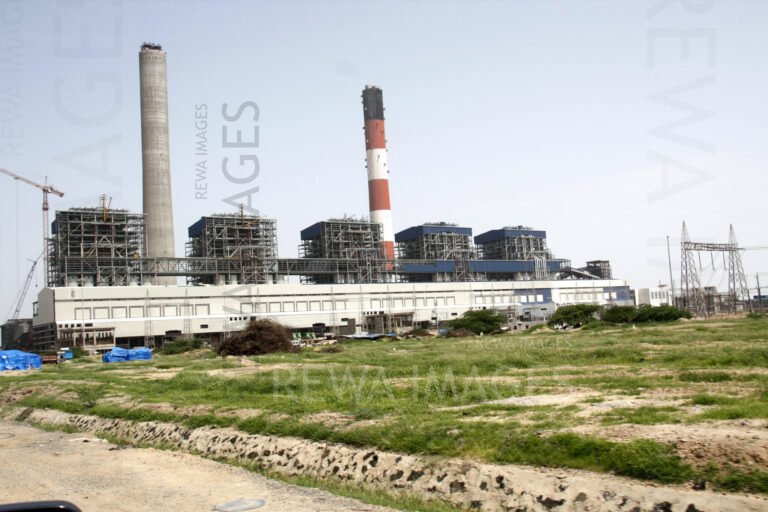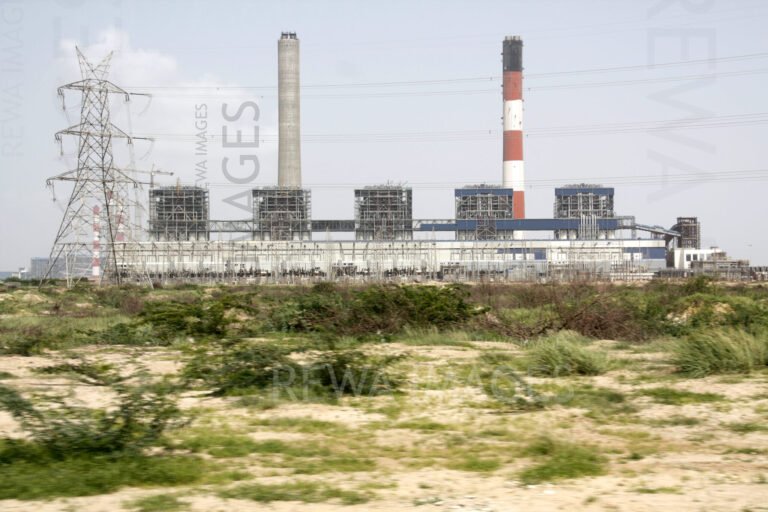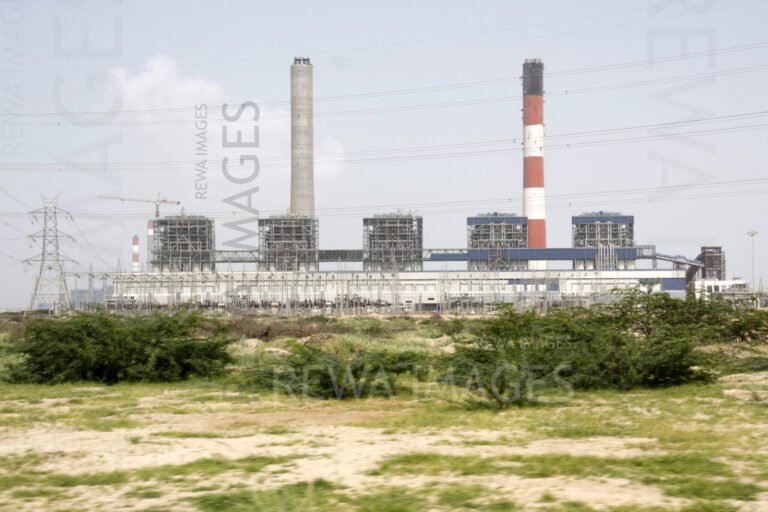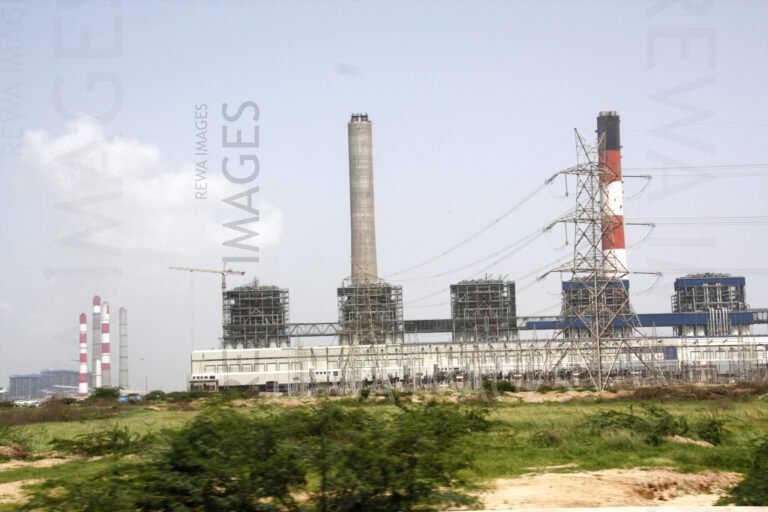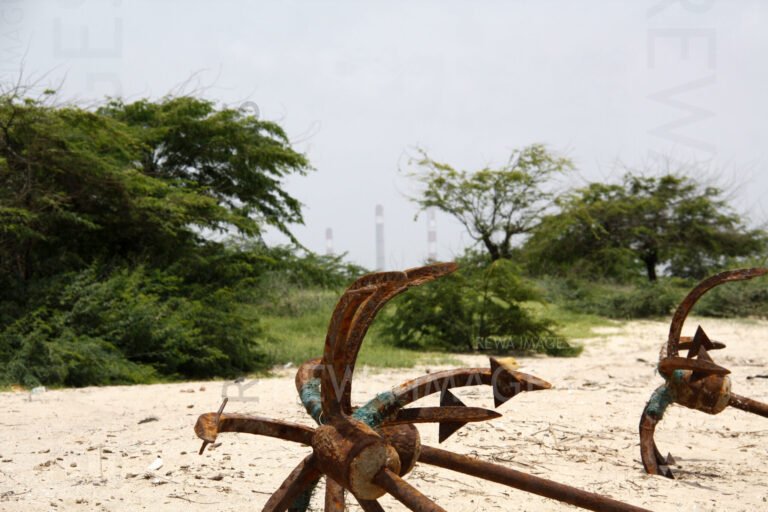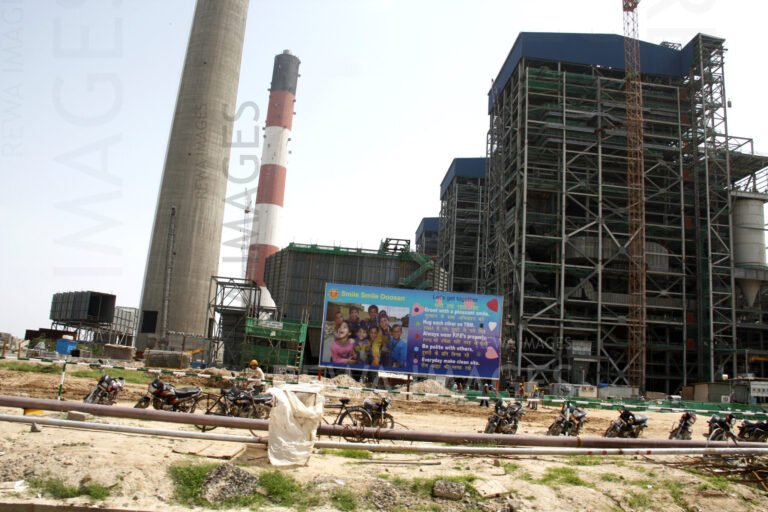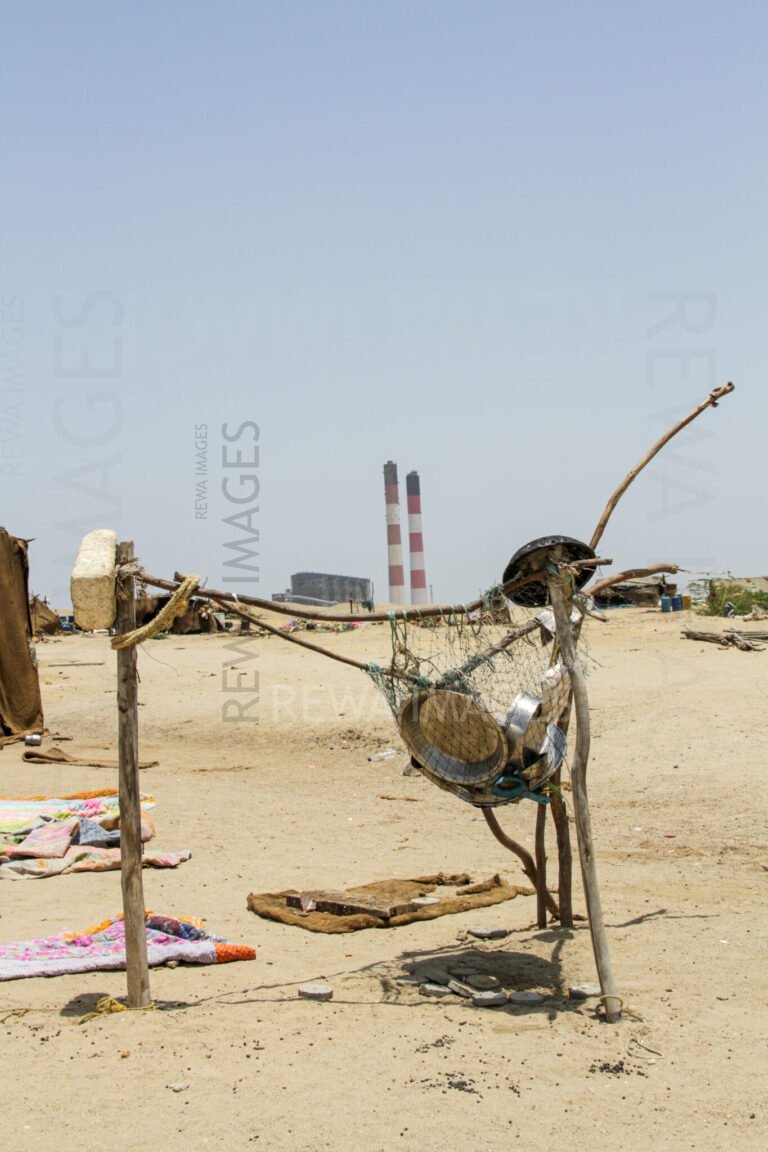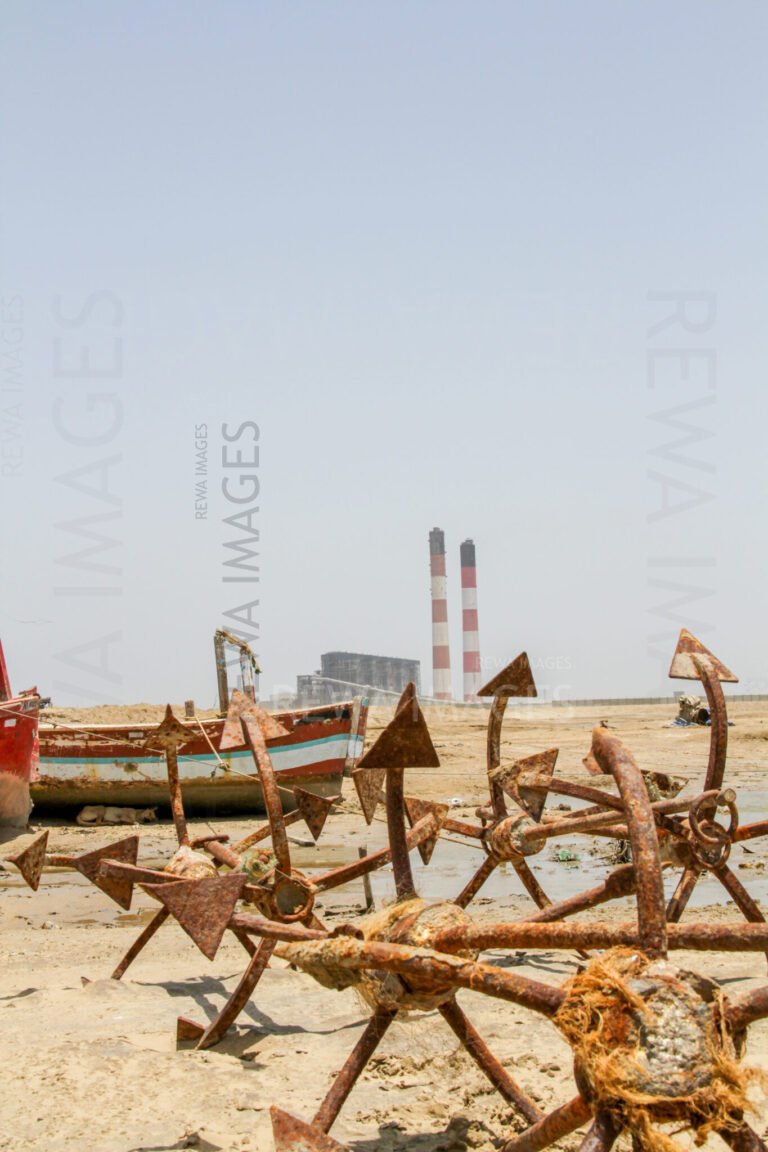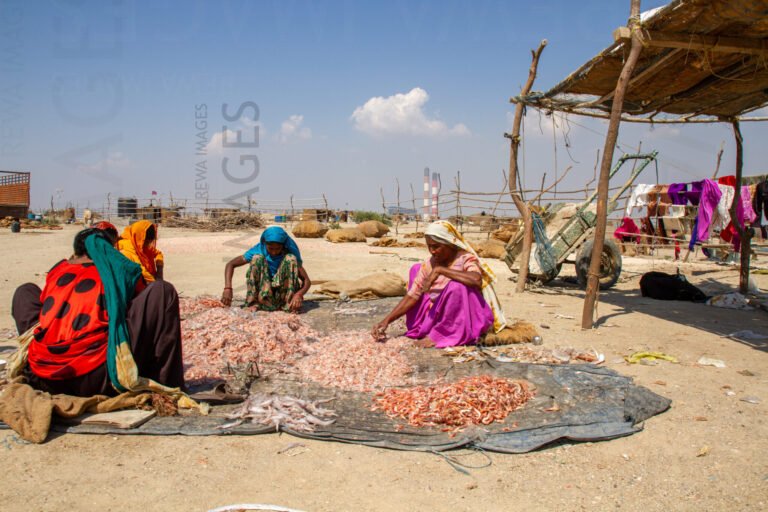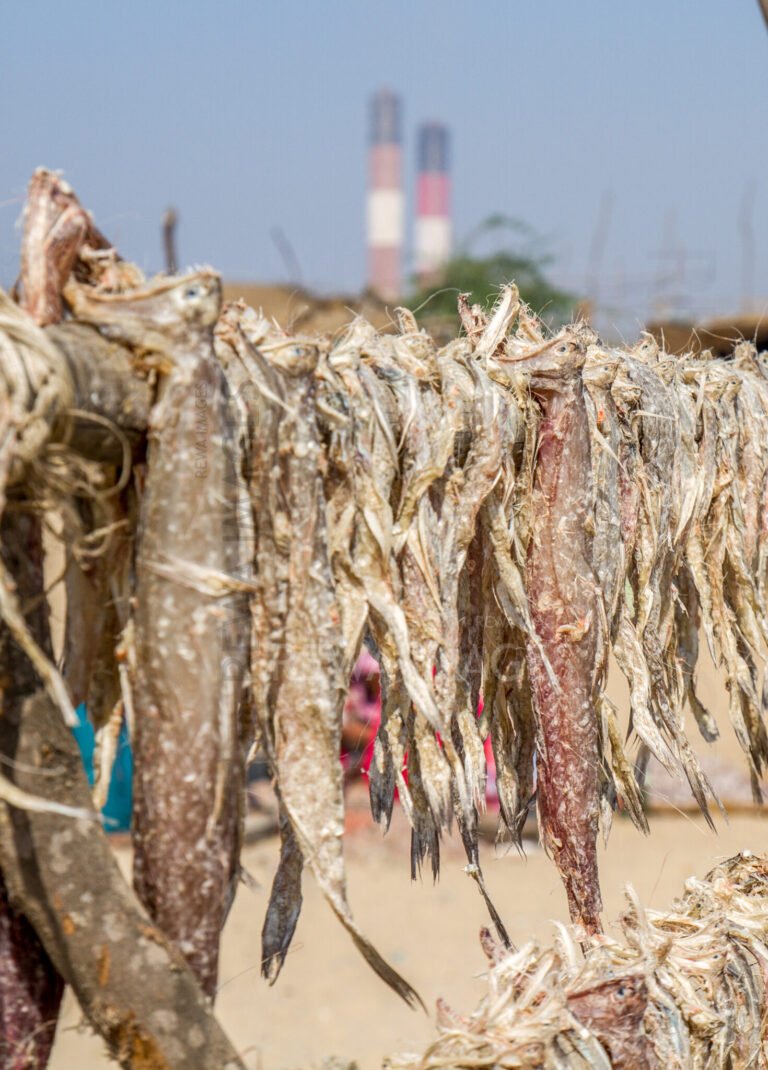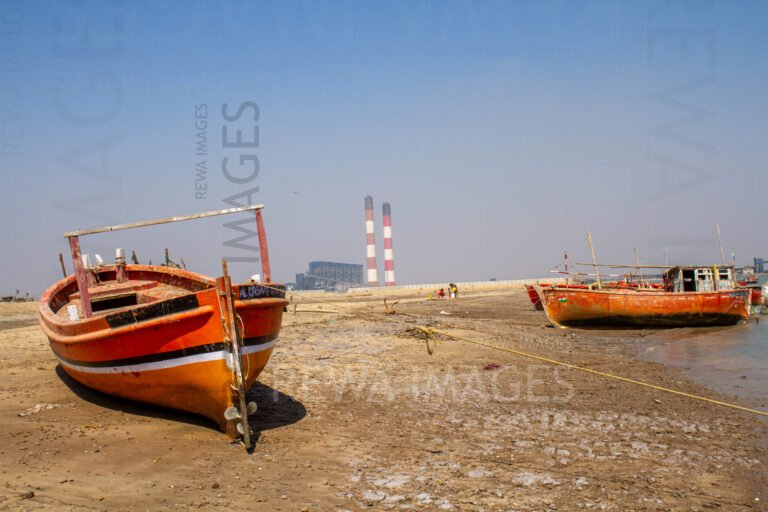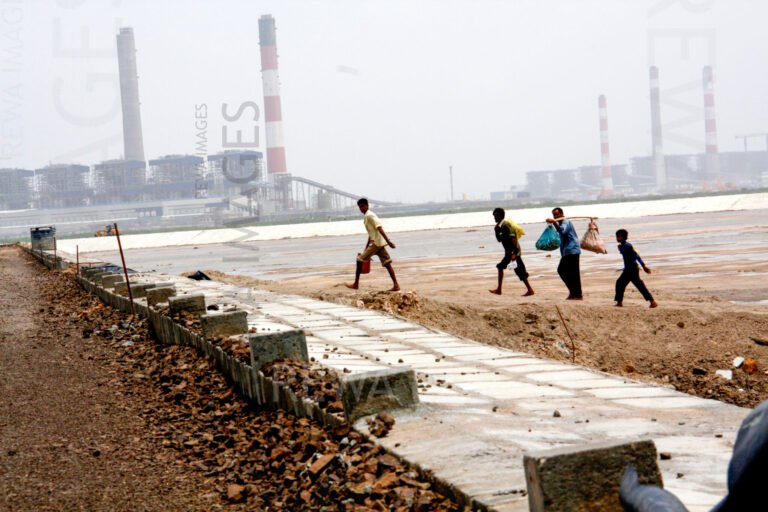
Tata Mundra project in early days


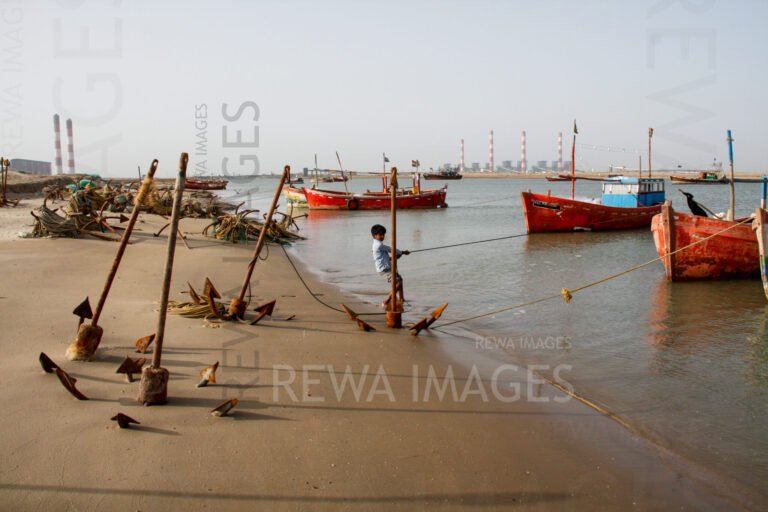
The Tata Mundra power project has drastically altered coastal access for fishing communities by constructing an outlet channel that blocks traditional routes to the sea. Fishermen who once reached fishing grounds directly are now forced to take a 7-kilometre detour, increasing fuel costs, time, and physical risk. This loss of access has undermined daily livelihoods and reduced fishing viability, particularly for small-scale operators. Despite clear economic hardship caused by the project’s infrastructure, affected fishermen were never compensated. The situation exposes a pattern of development that privileges corporate convenience over customary rights, mobility, and the survival of coastal communities.
Fish once thrived in abundance along the Kutch coast, sustaining local fishing communities and marine ecology. Their sharp decline is closely linked to the World Bank–funded Tata Mundra power project. The plant’s once-through cooling system discharged heated water into the sea, raising surface temperatures and disrupting marine habitats. This thermal pollution drove fish stocks away on a massive scale, collapsing traditional fisheries. Lobsters are particularly sensitive; once they abandon a habitat, they do not return. Their disappearance signals irreversible ecological damage, exposing how large infrastructure projects externalize environmental costs while eroding livelihoods, biodiversity, and coastal resilience.
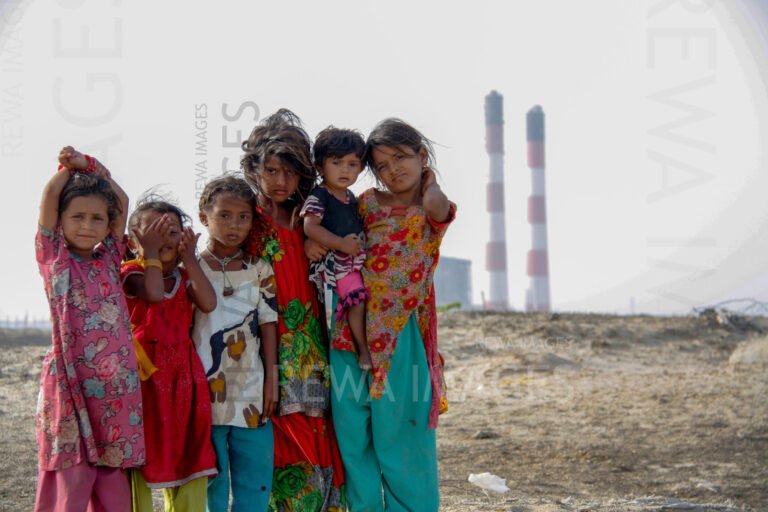
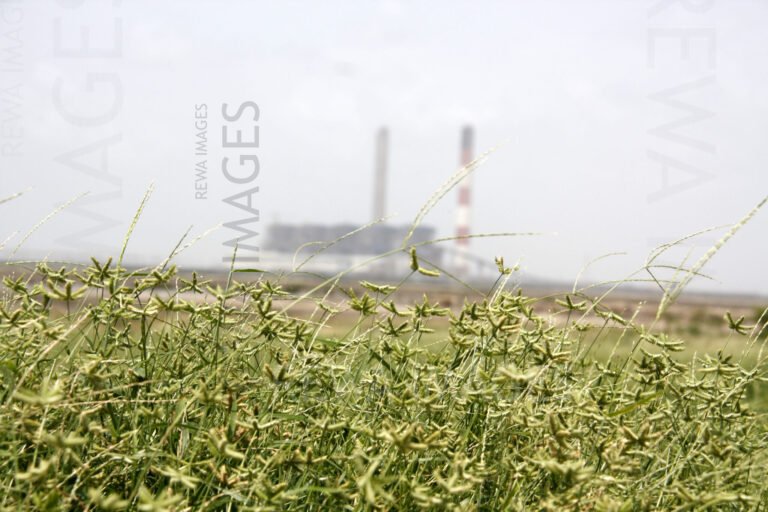
Coal remains central to India’s energy system but creates significant social and environmental footprints. Mining and power plants drive deforestation, air and water pollution, and carbon emissions. Affected communities experience displacement, health problems, and livelihood disruption. These challenges highlight the urgency of balancing energy security with environmental protection and a just transition.