
Watermarked preview · original available after purchase
#Biodiversity#Western Ghats#cultural harmony#Peace#sustainable agriculture#organic farming#plantation crops#agriculture#India#Celebration#celebration of light#Culture#Diwali#diyas#family#Festival of Lights#festivals of India#festive season#good over evil#gratitude#Happiness#heritage#Hindu festival#Indian festival#Joy#lamps#light#love#prosperity.#Reflection#renewal#Spirituality#sweets#togetherness#Traditions#Unity#agribusiness#aromatic spice#black pepper#culinary uses#cultivation#economic value#export crop#food industry#global trade#harvesting#herbal medicine#indian spices#kerala#King of Spices#medicinal value#natural produce#pepper vines#seasoning#spice cultivation#spice heritage#spice trade#spices#traditional healing#tropical crops
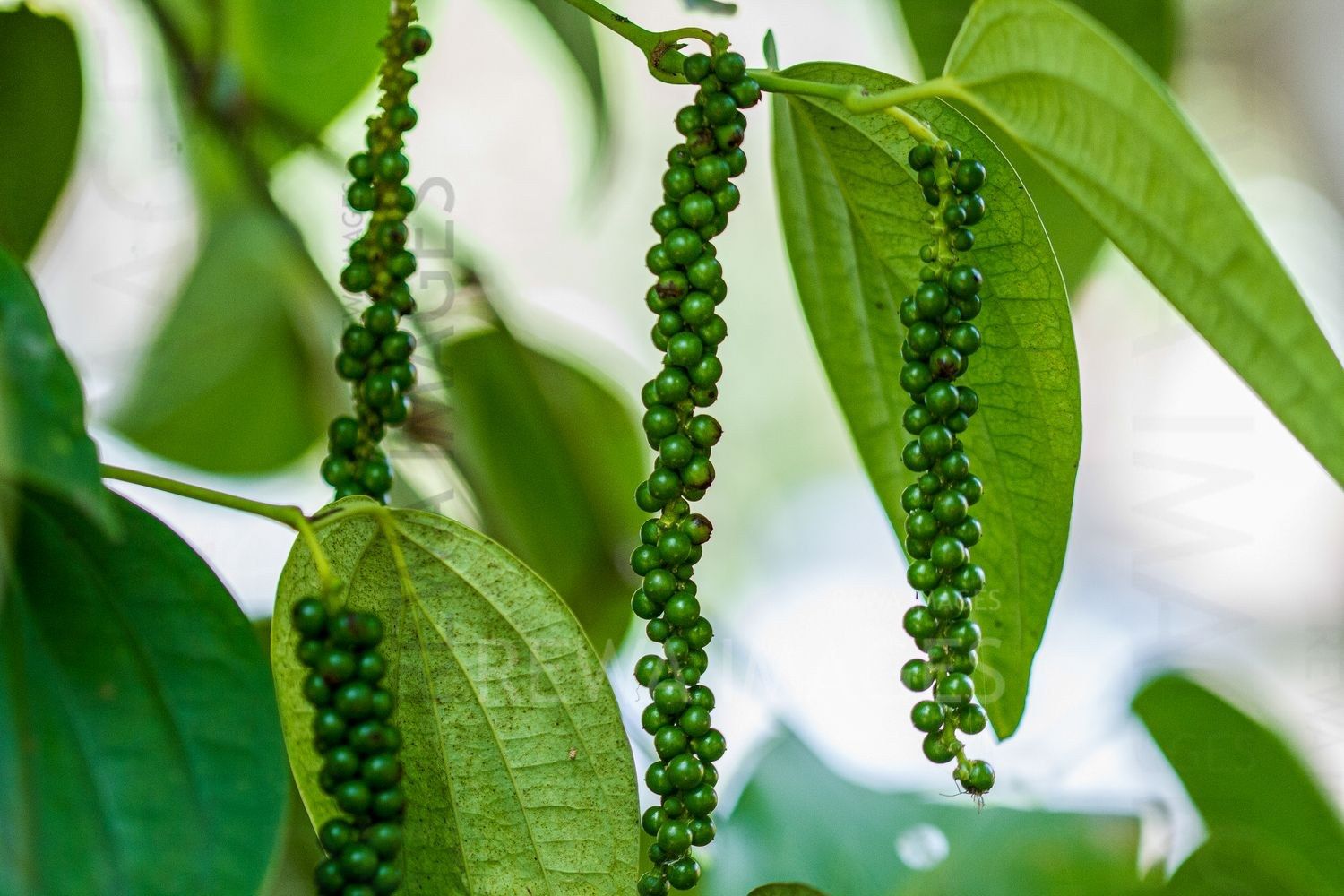
Black pepper
Black pepper, often called the “King of Spices,” grows on flowering vines in tropical climates, thriving in rich, well-drained soil with ample rainfall. Native to India’s Western Ghats, it holds immense economic and culinary value worldwide. Its sharp aroma and medicinal qualities make it vital in global trade and traditional healing.
Details
image5,184 × 3,456 px21.1 MB240 DPI14 October 2016
Photo byJoe Athialy
Select License
Tags
#Biodiversity#Western Ghats#cultural harmony#Peace#sustainable agriculture#organic farming#plantation crops#agriculture#India#Celebration#celebration of light#Culture#Diwali#diyas#family#Festival of Lights#festivals of India#festive season#good over evil#gratitude#Happiness#heritage#Hindu festival#Indian festival#Joy#lamps#light#love#prosperity.#Reflection#renewal#Spirituality#sweets#togetherness#Traditions#Unity#agribusiness#aromatic spice#black pepper#culinary uses#cultivation#economic value#export crop#food industry#global trade#harvesting#herbal medicine#indian spices#kerala#King of Spices#medicinal value#natural produce#pepper vines#seasoning#spice cultivation#spice heritage#spice trade#spices#traditional healing#tropical crops
Location